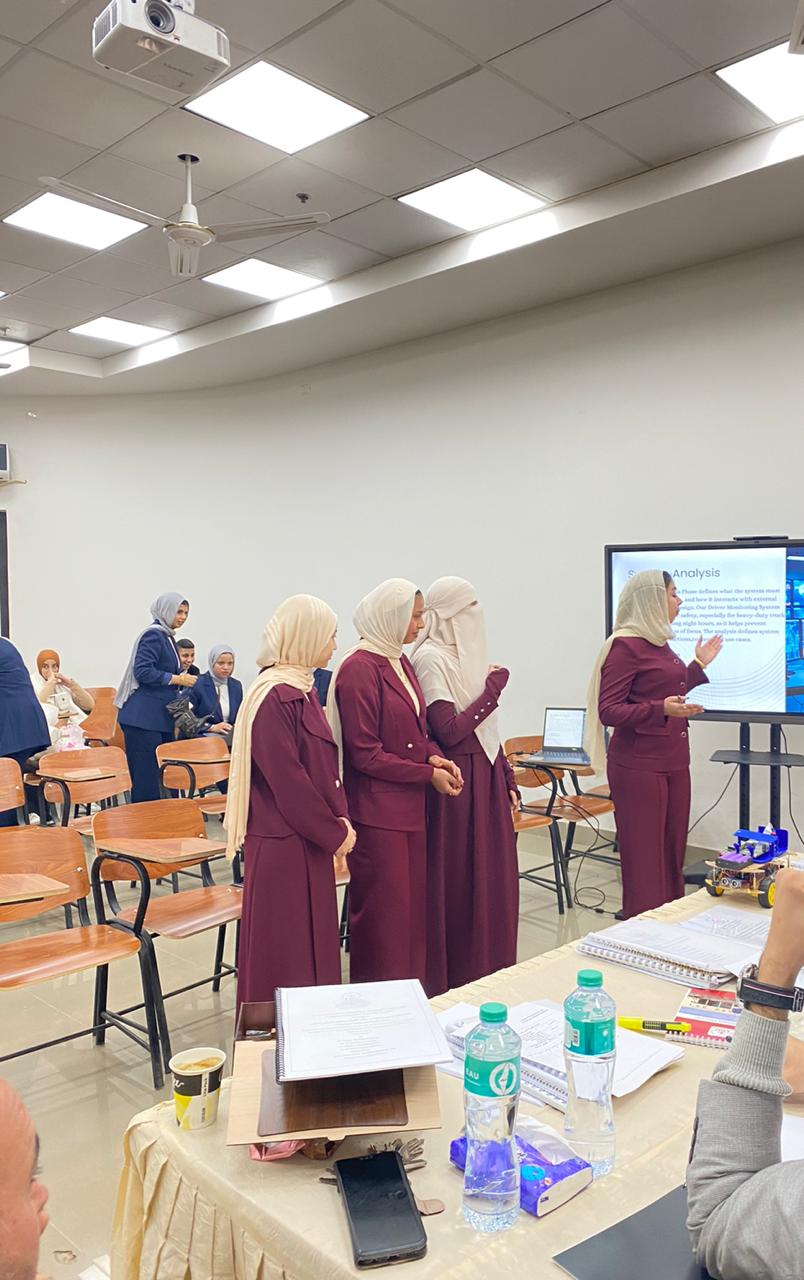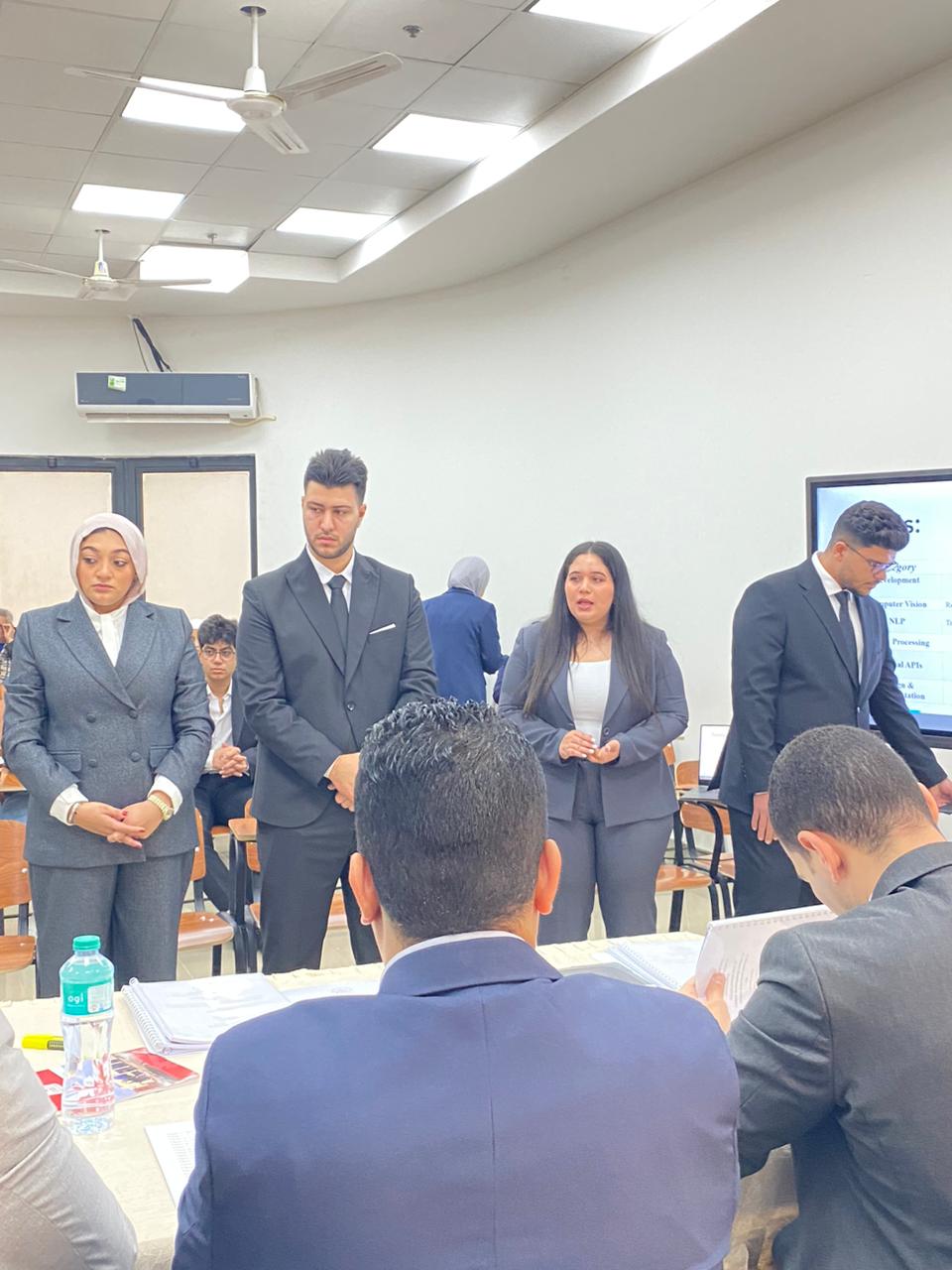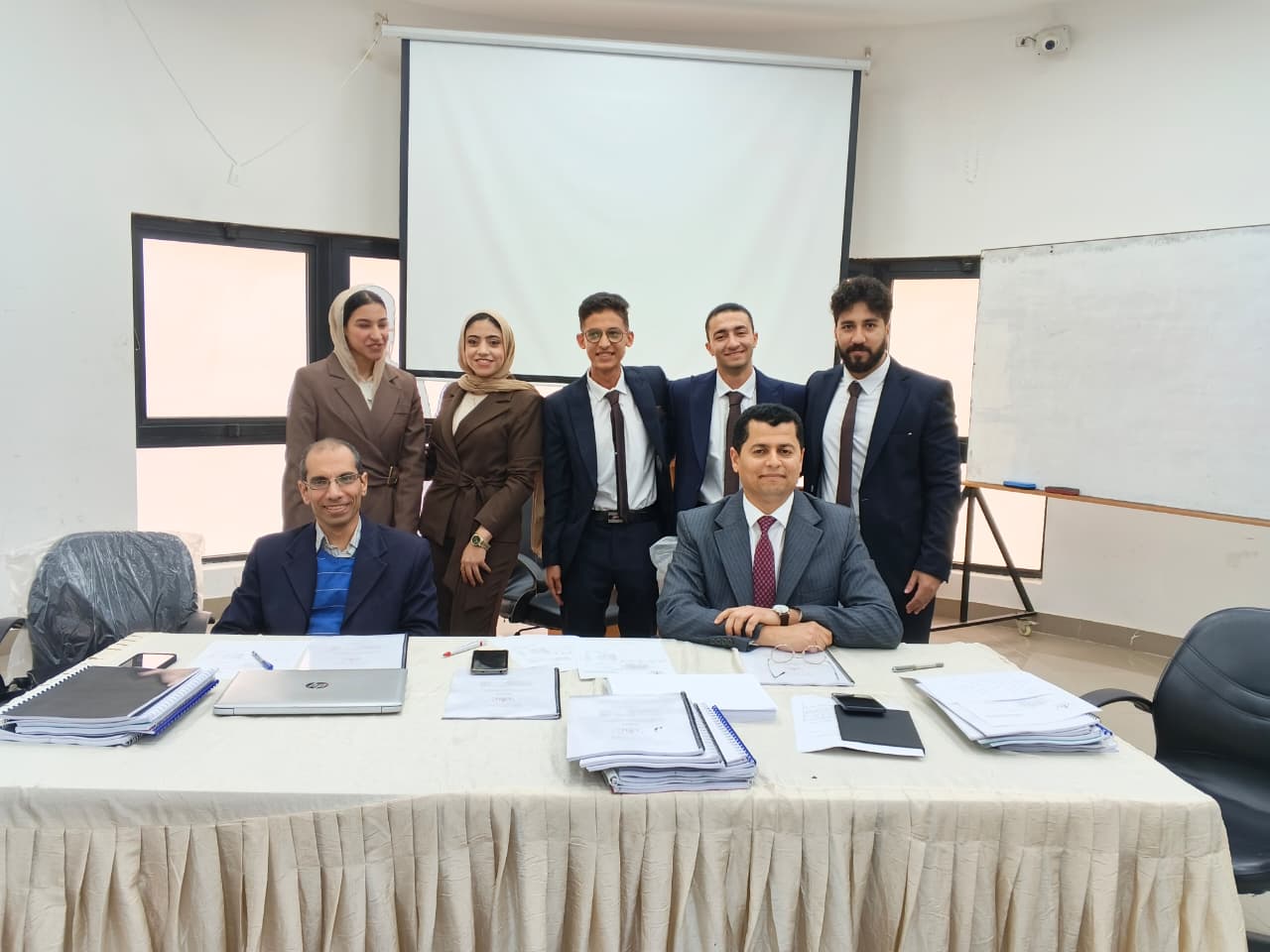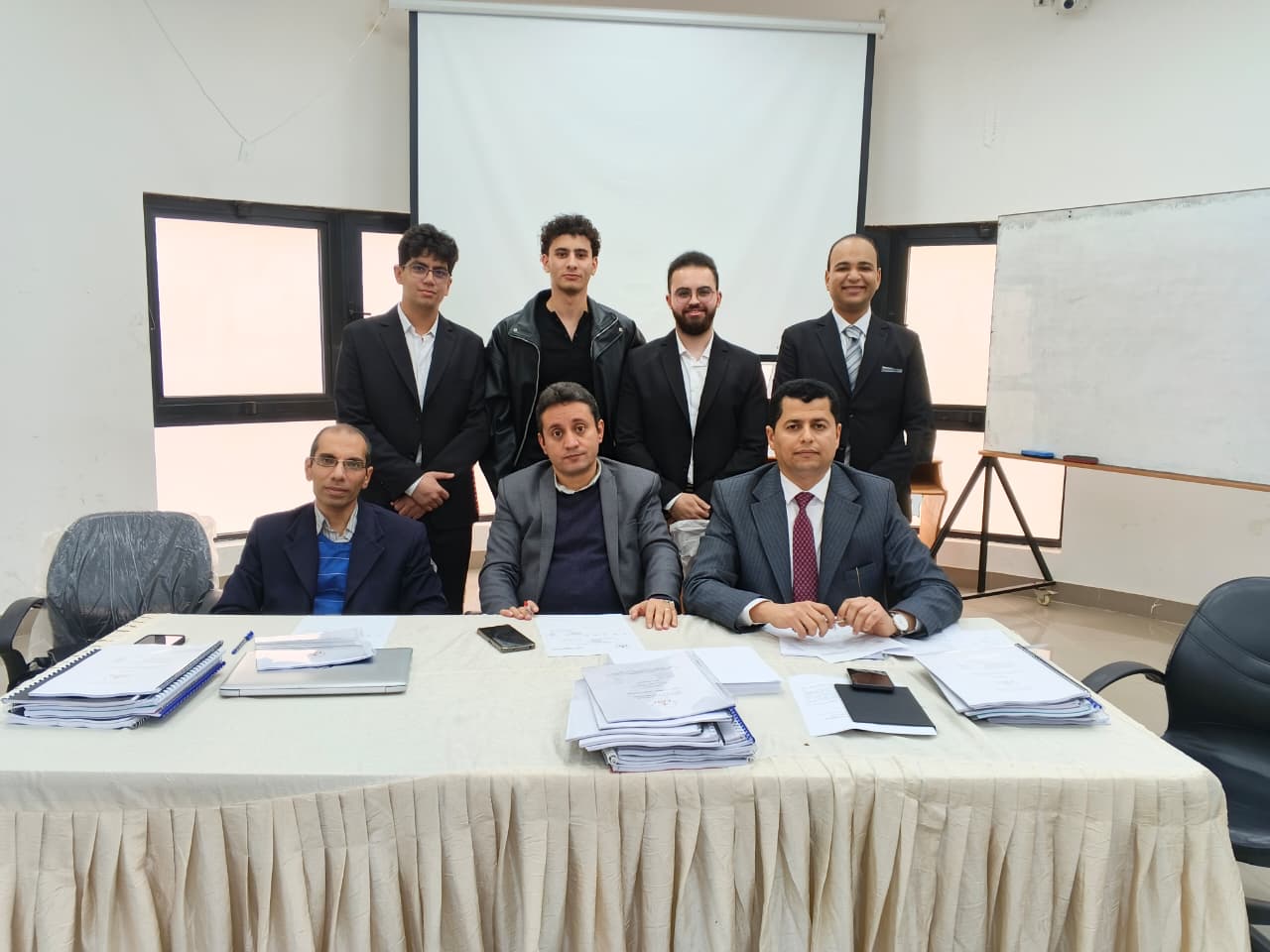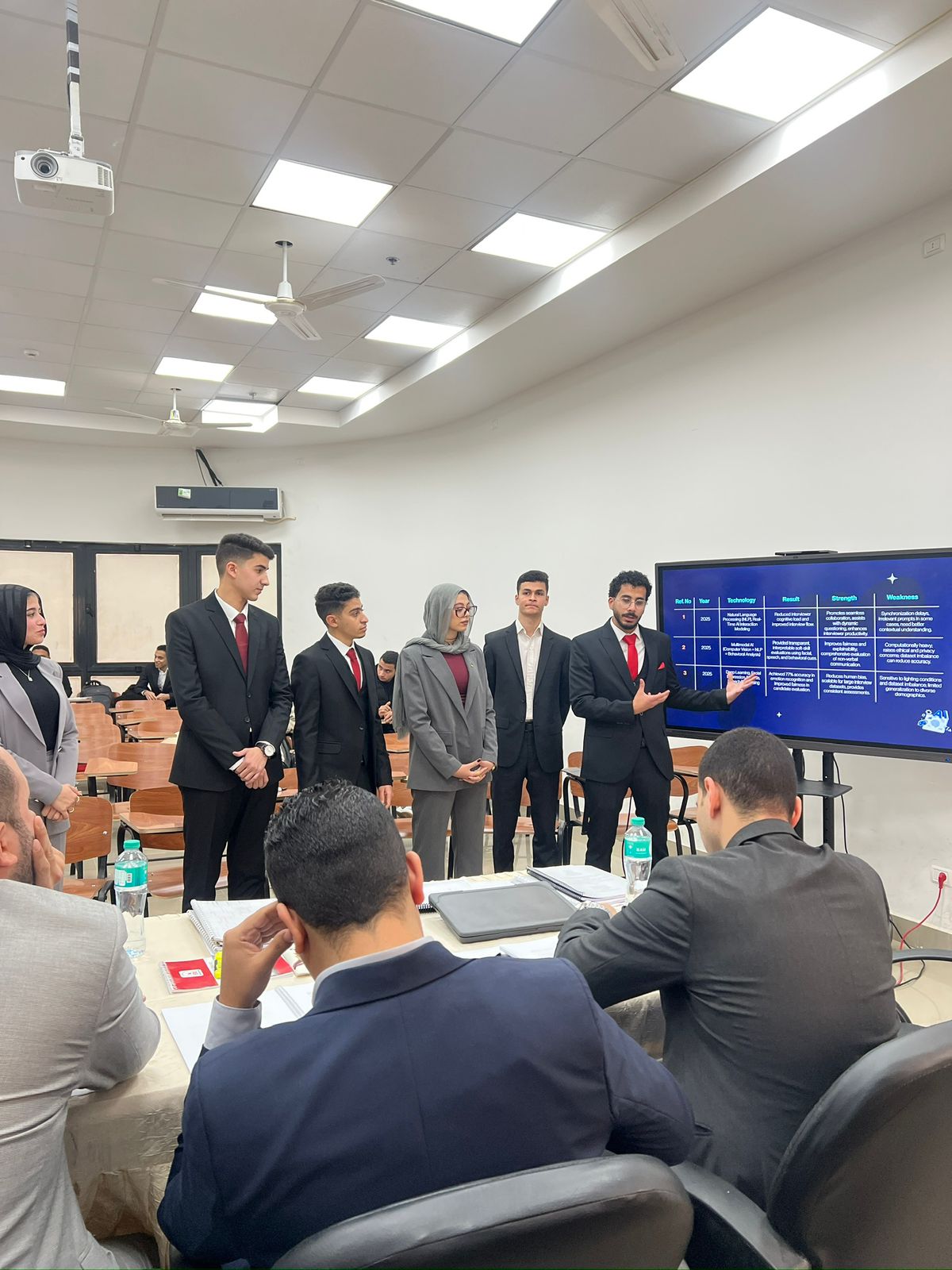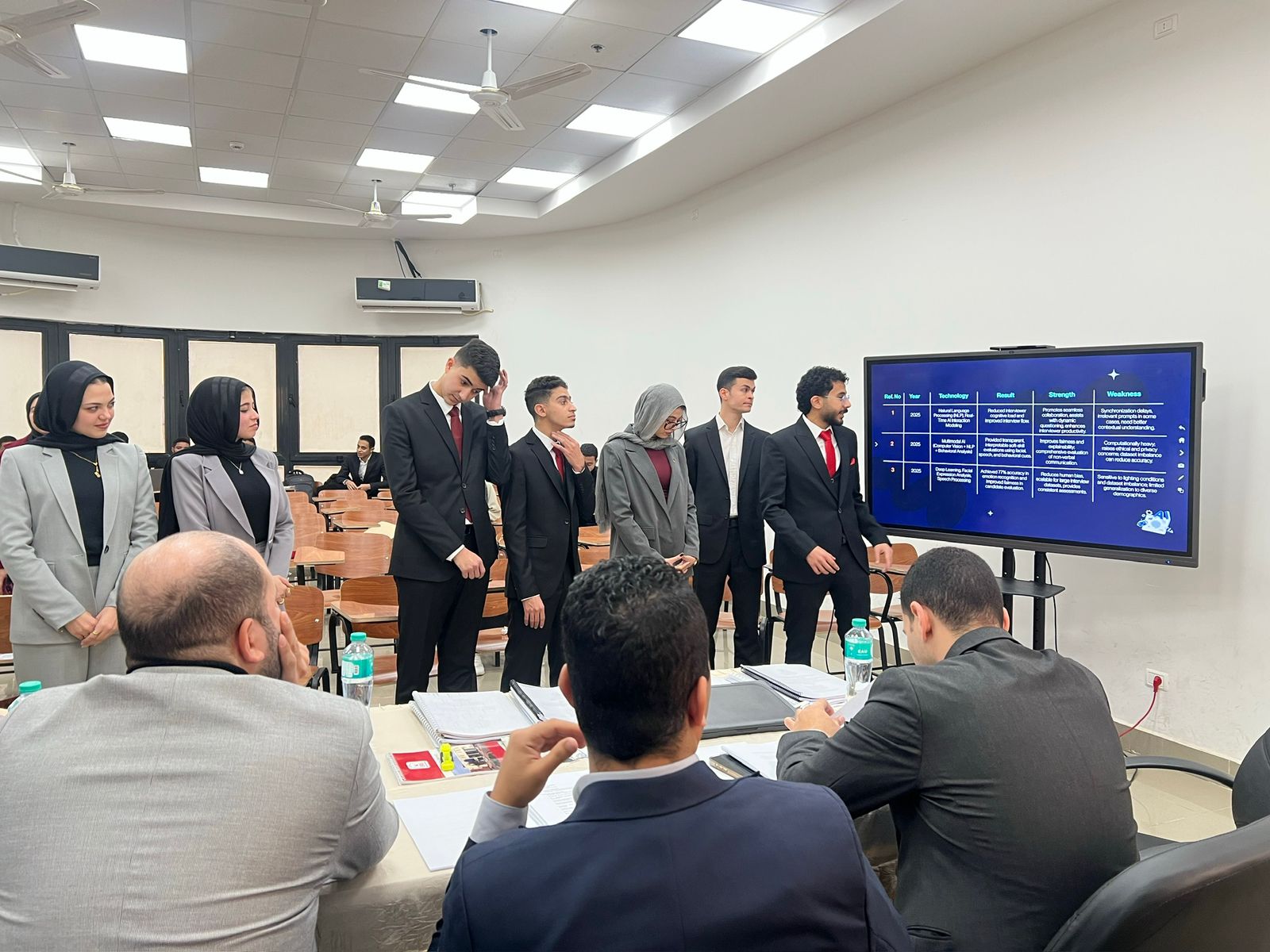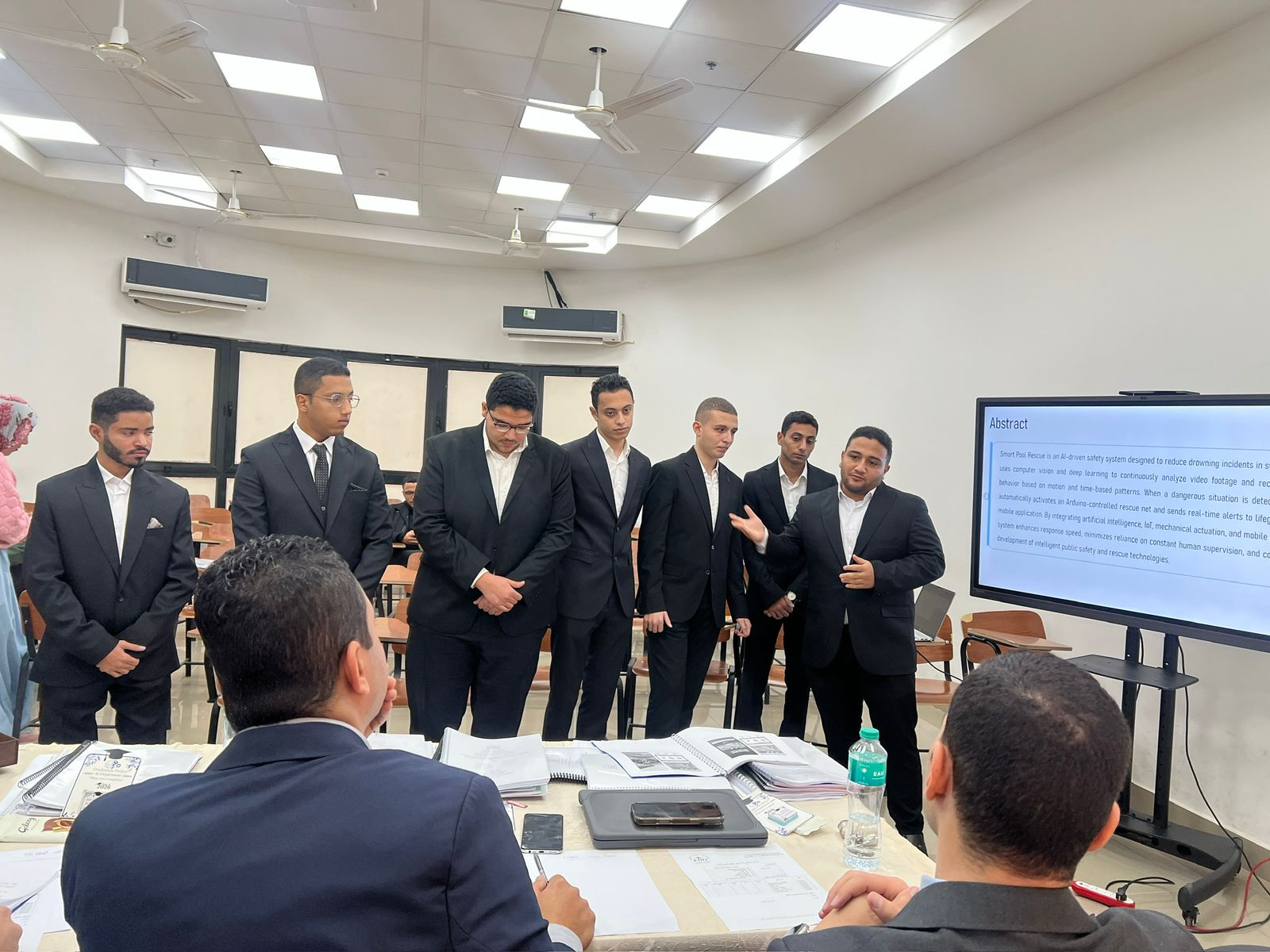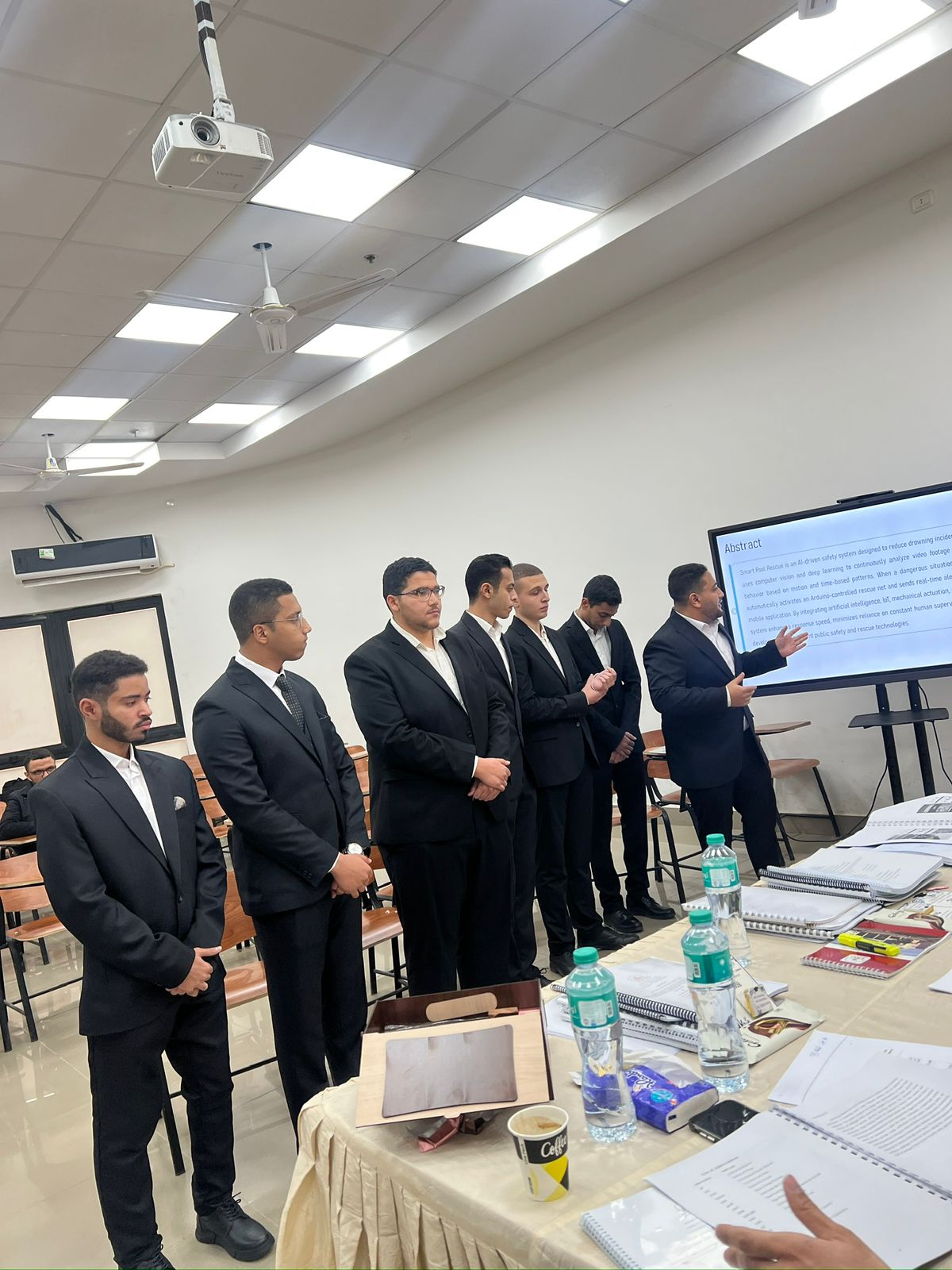
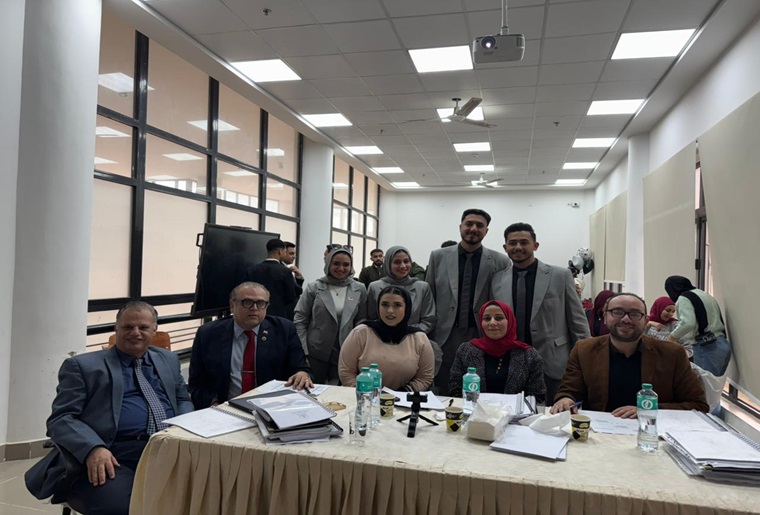
Highlights from the Closing of Graduation Project Discussions at the Faculty of Artificial Intelligence – Egyptian Russian University, First Semester, Academic Year 2025/2026
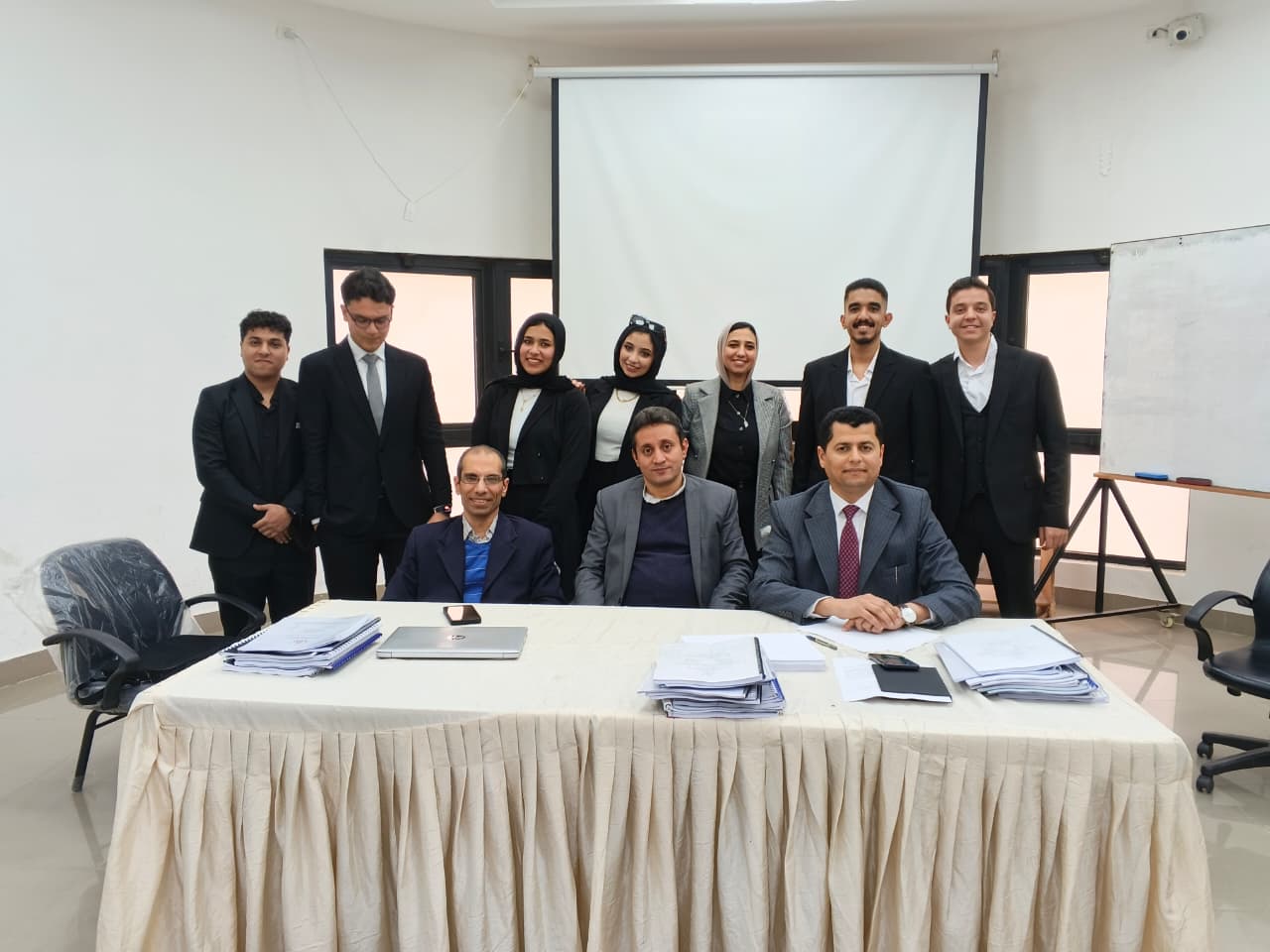
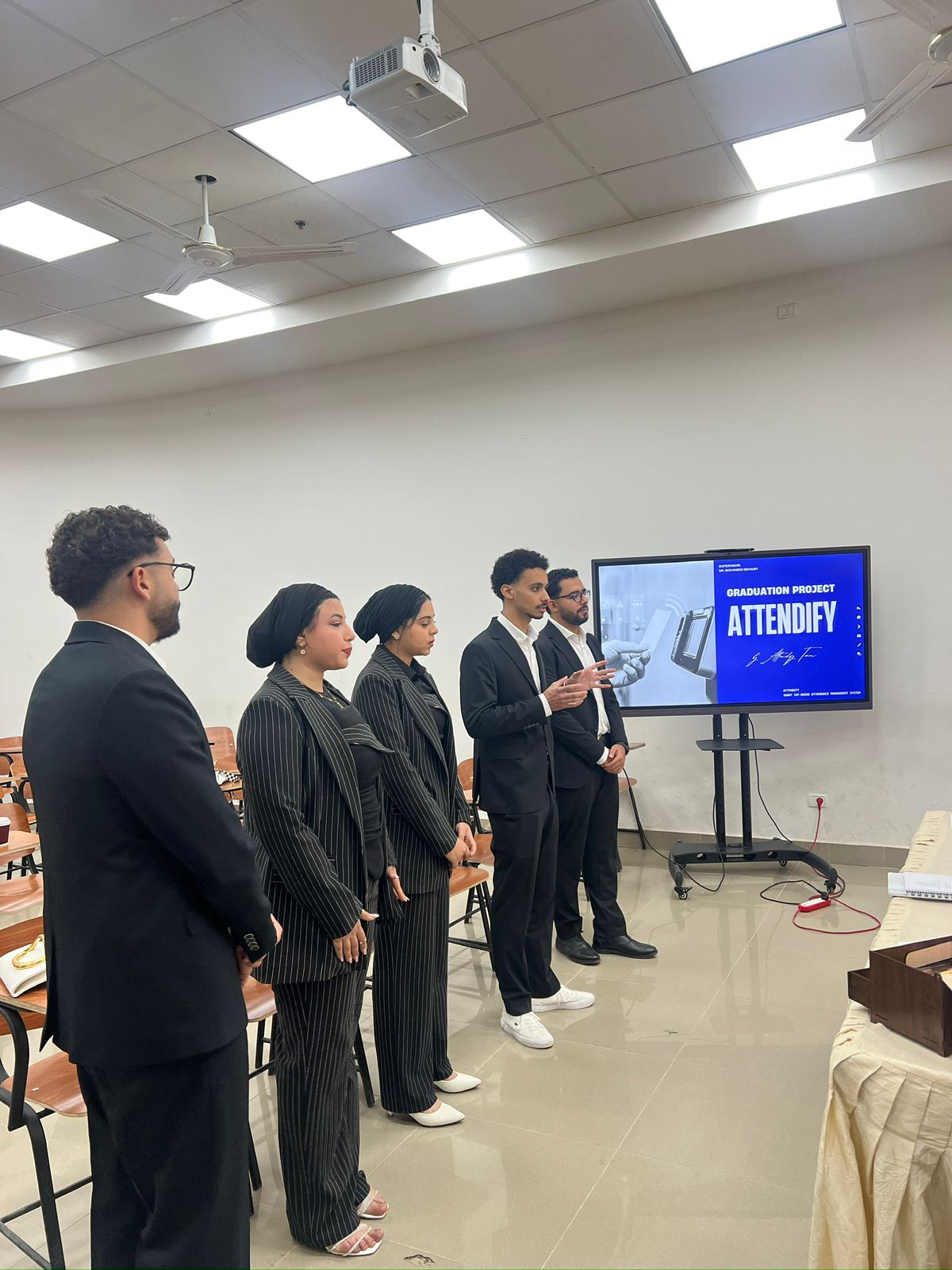
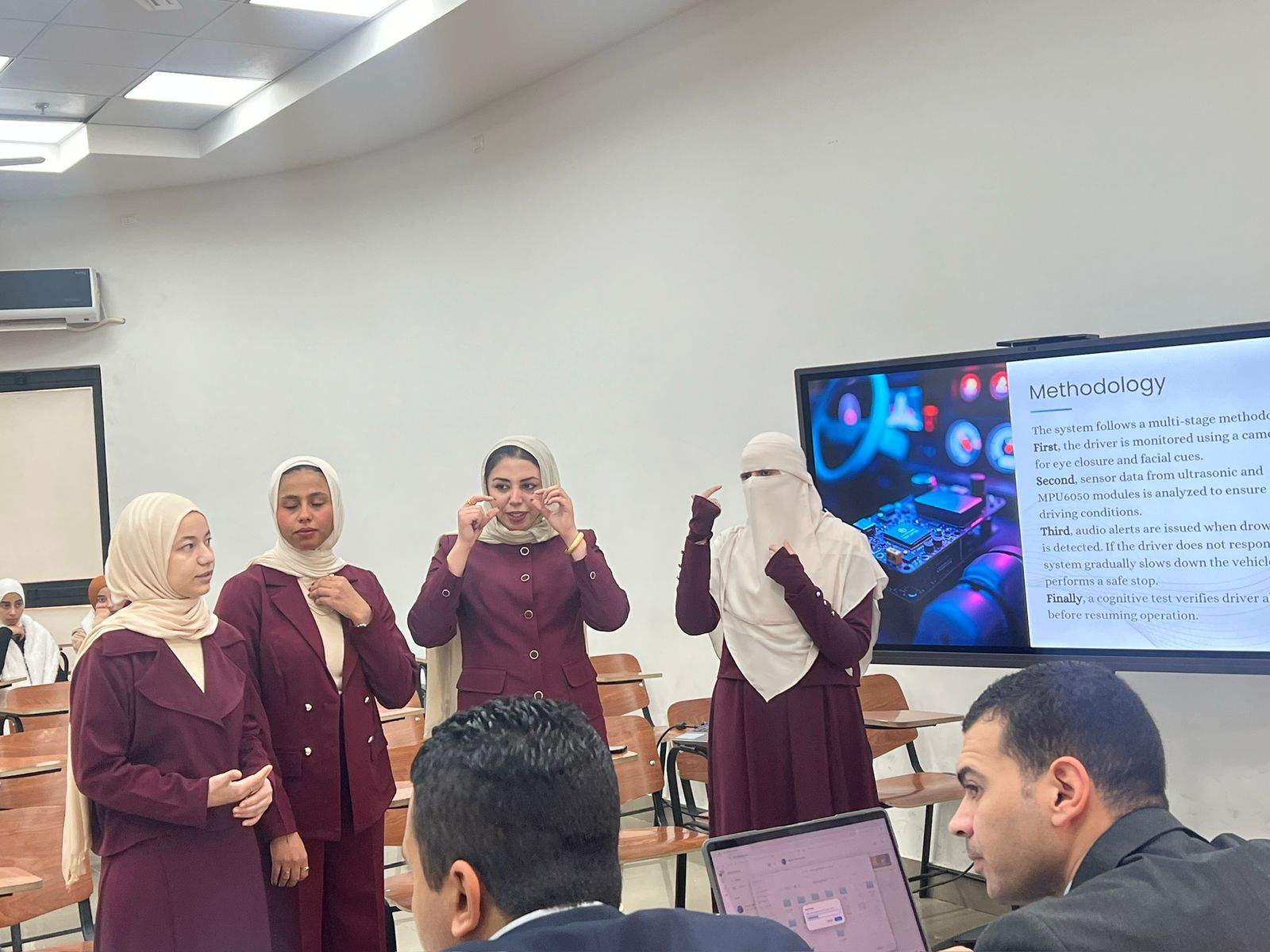
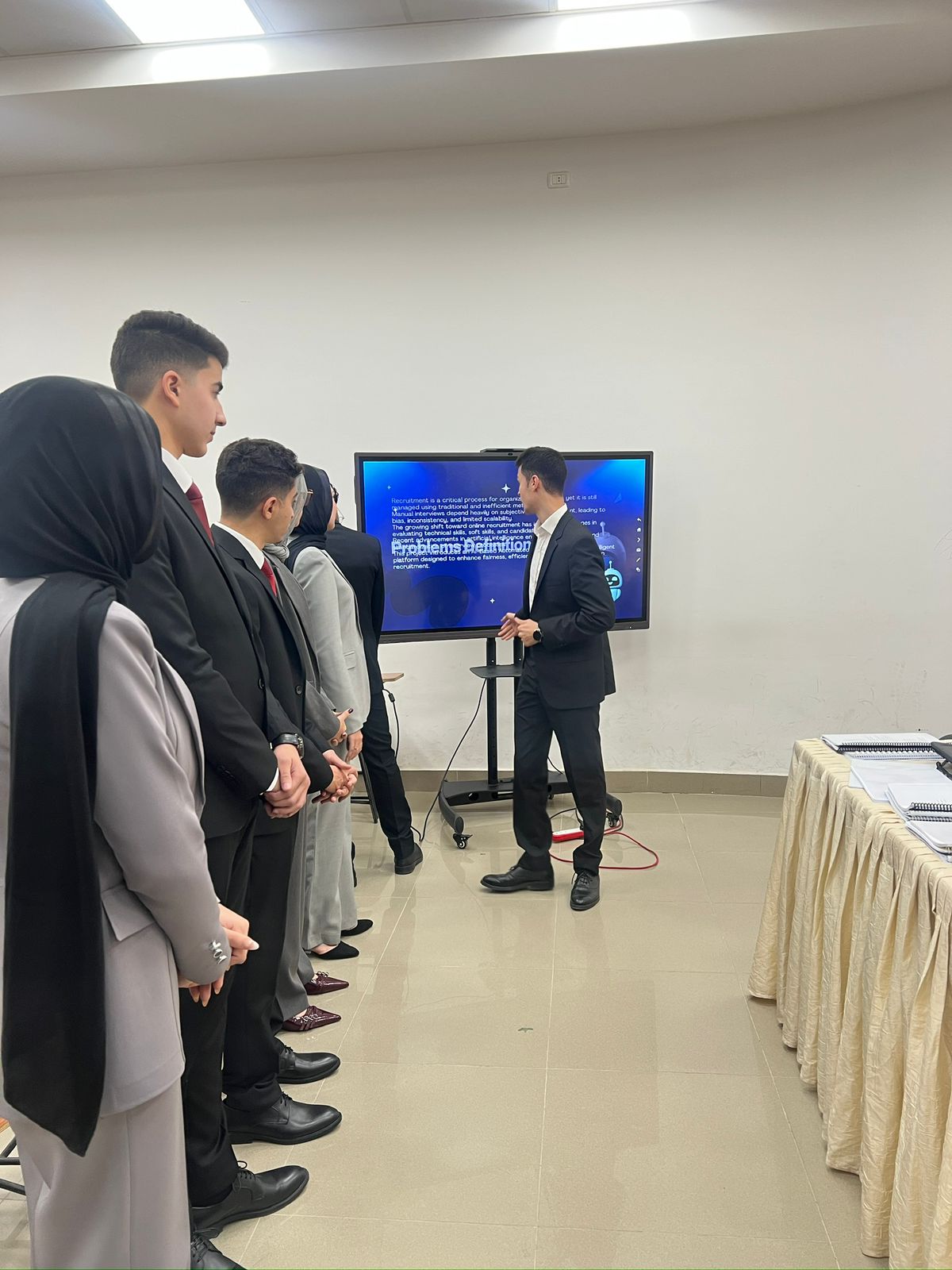
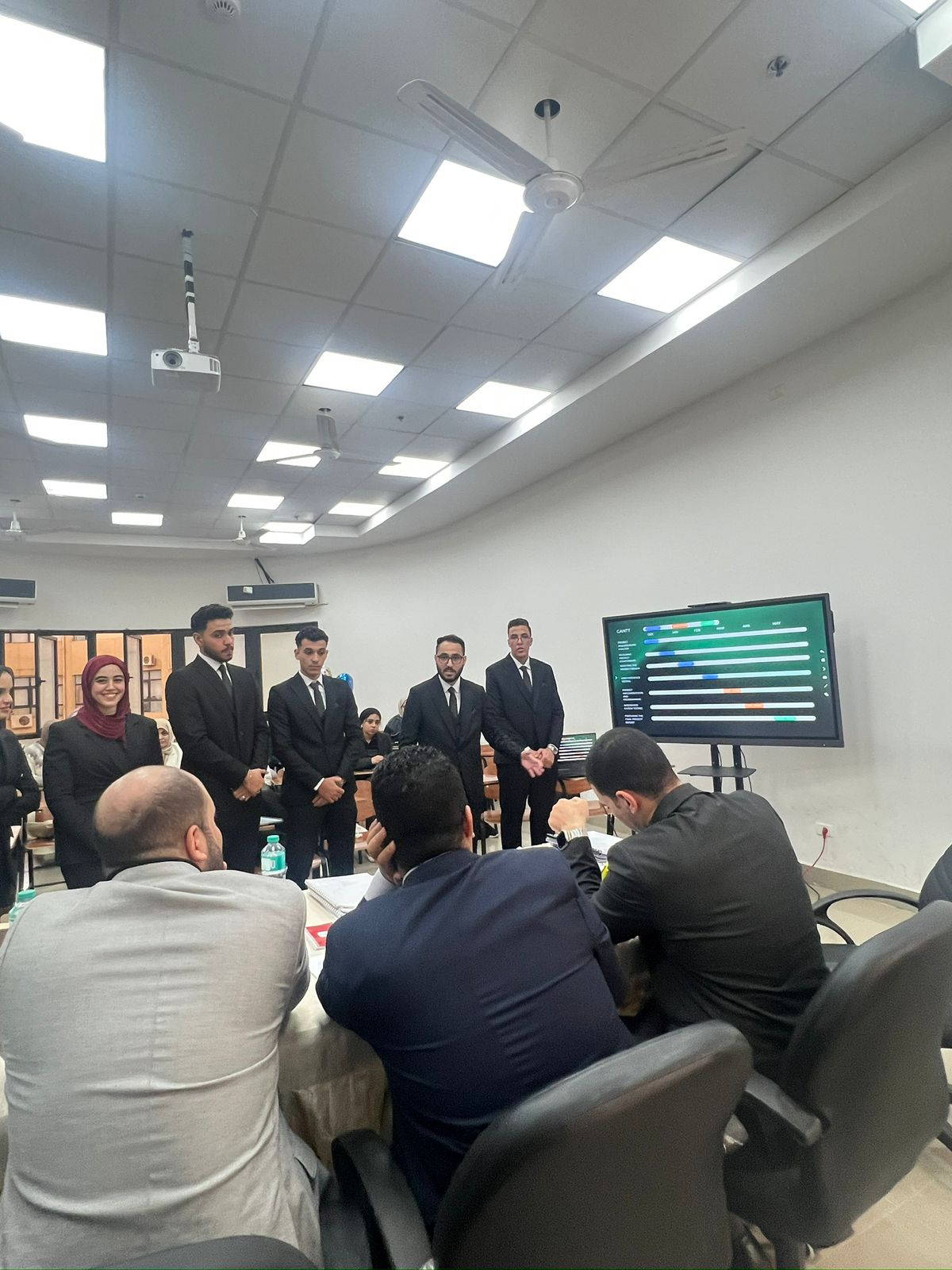
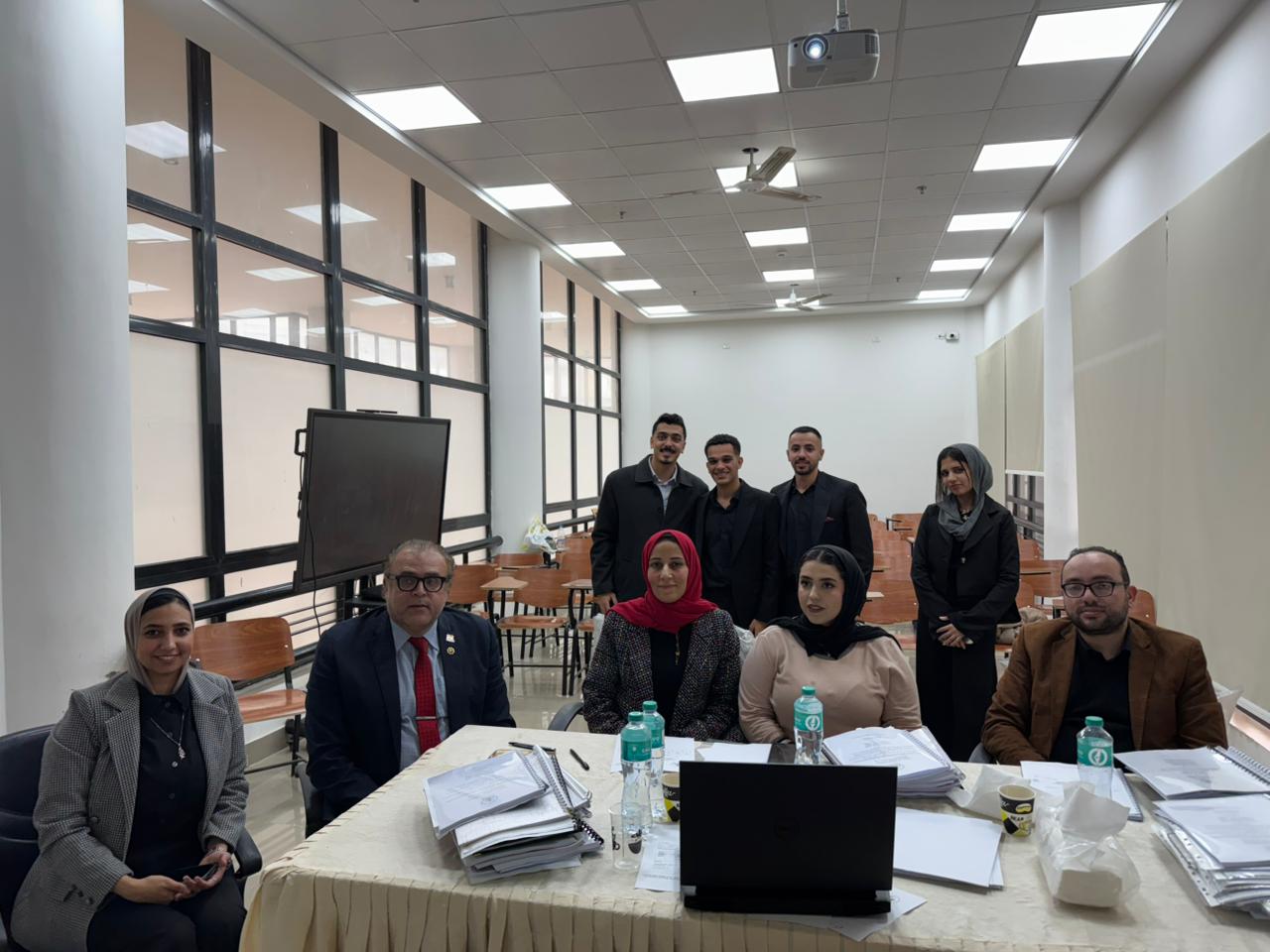
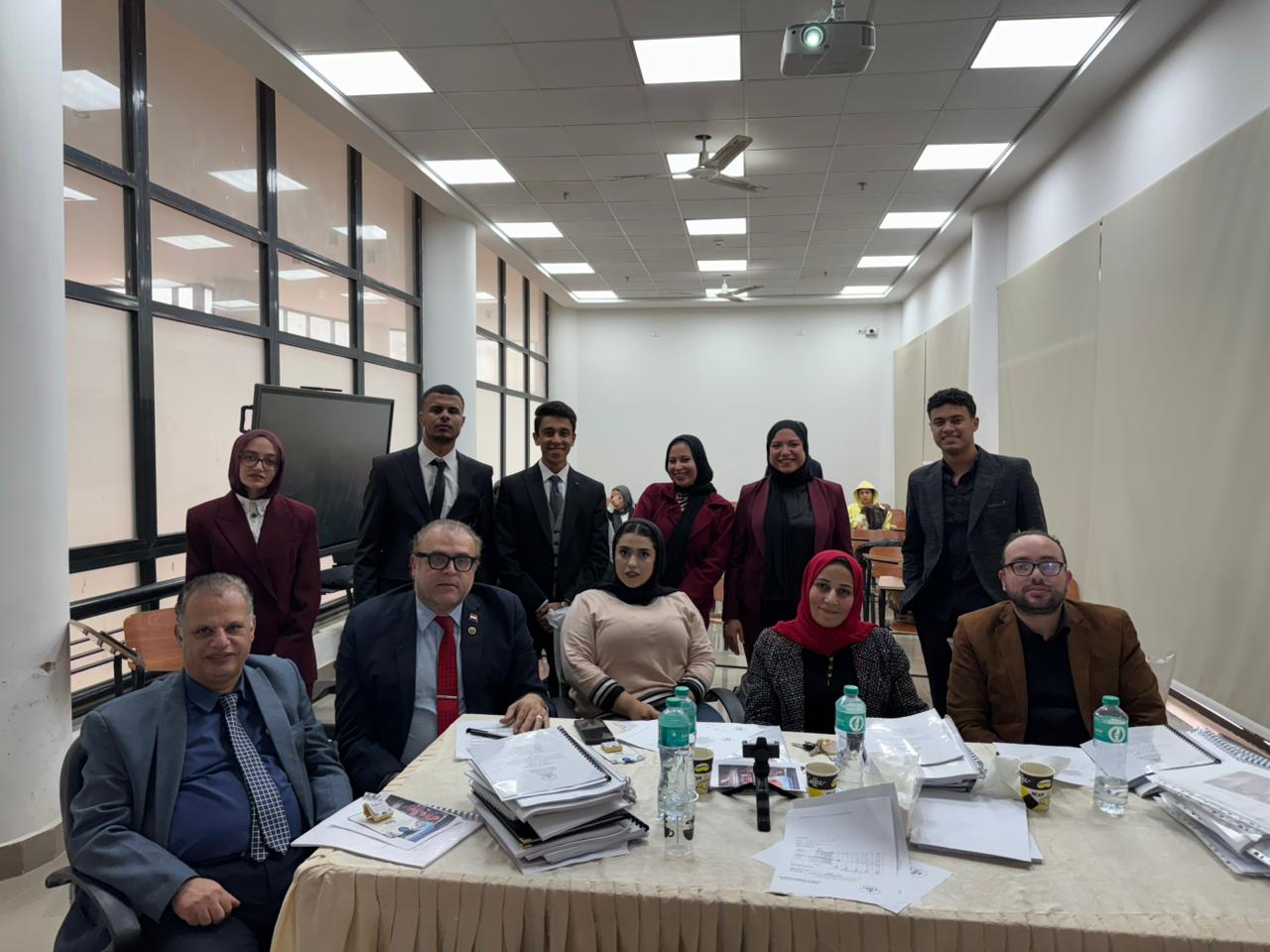
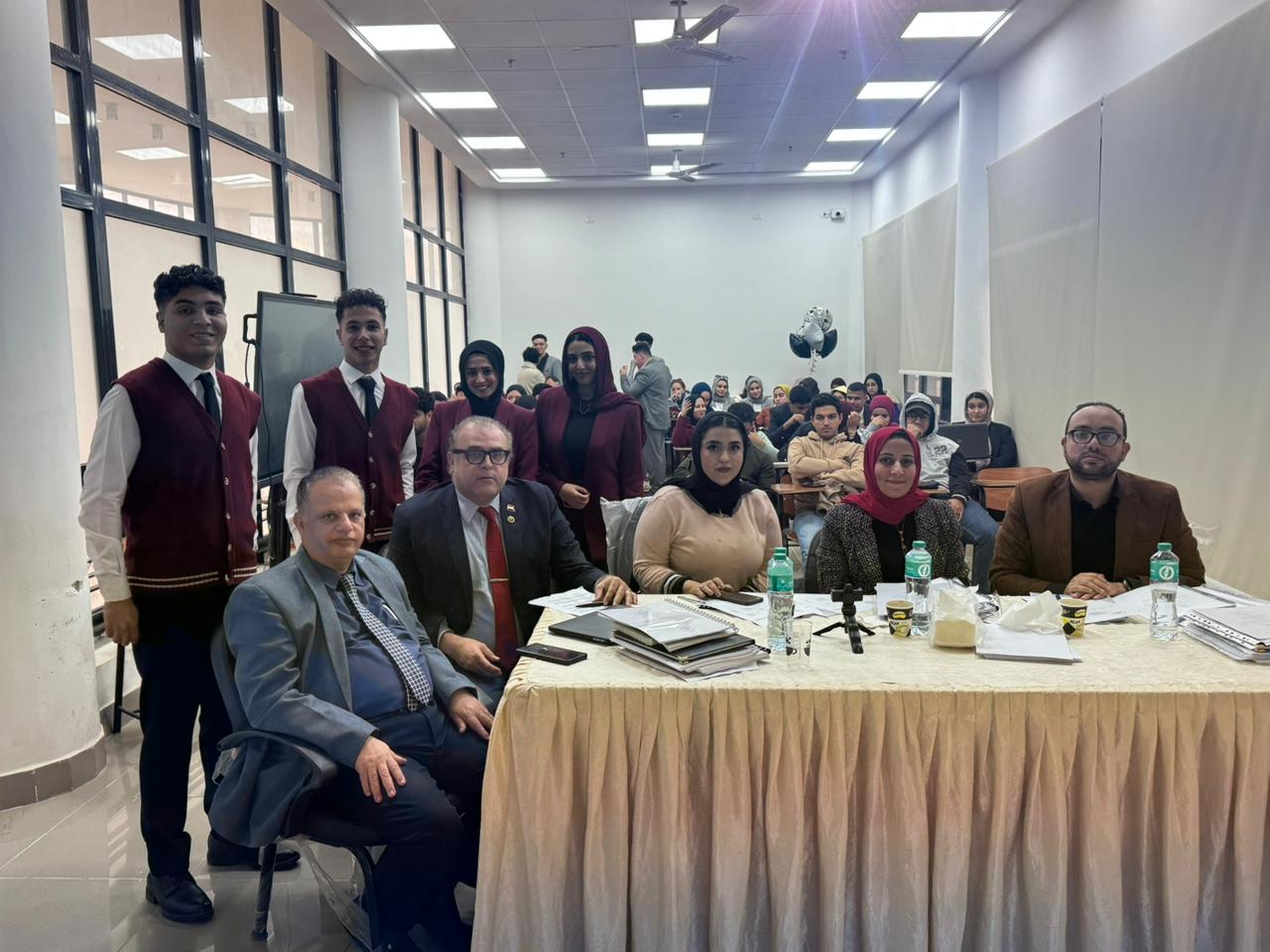
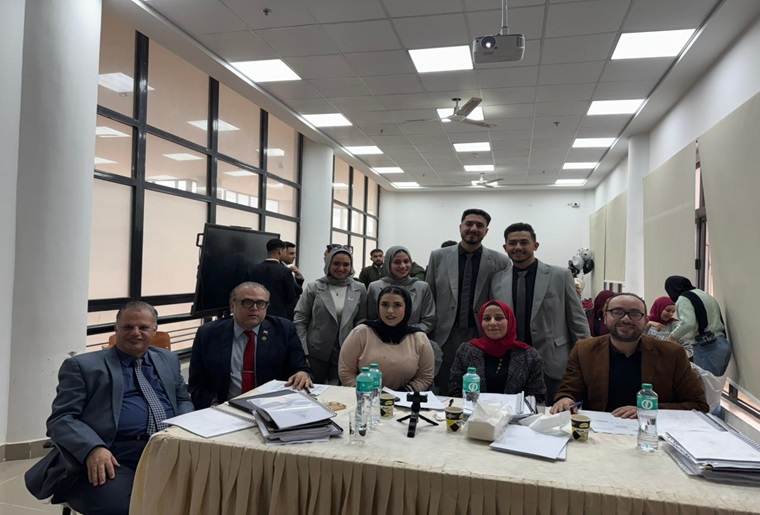
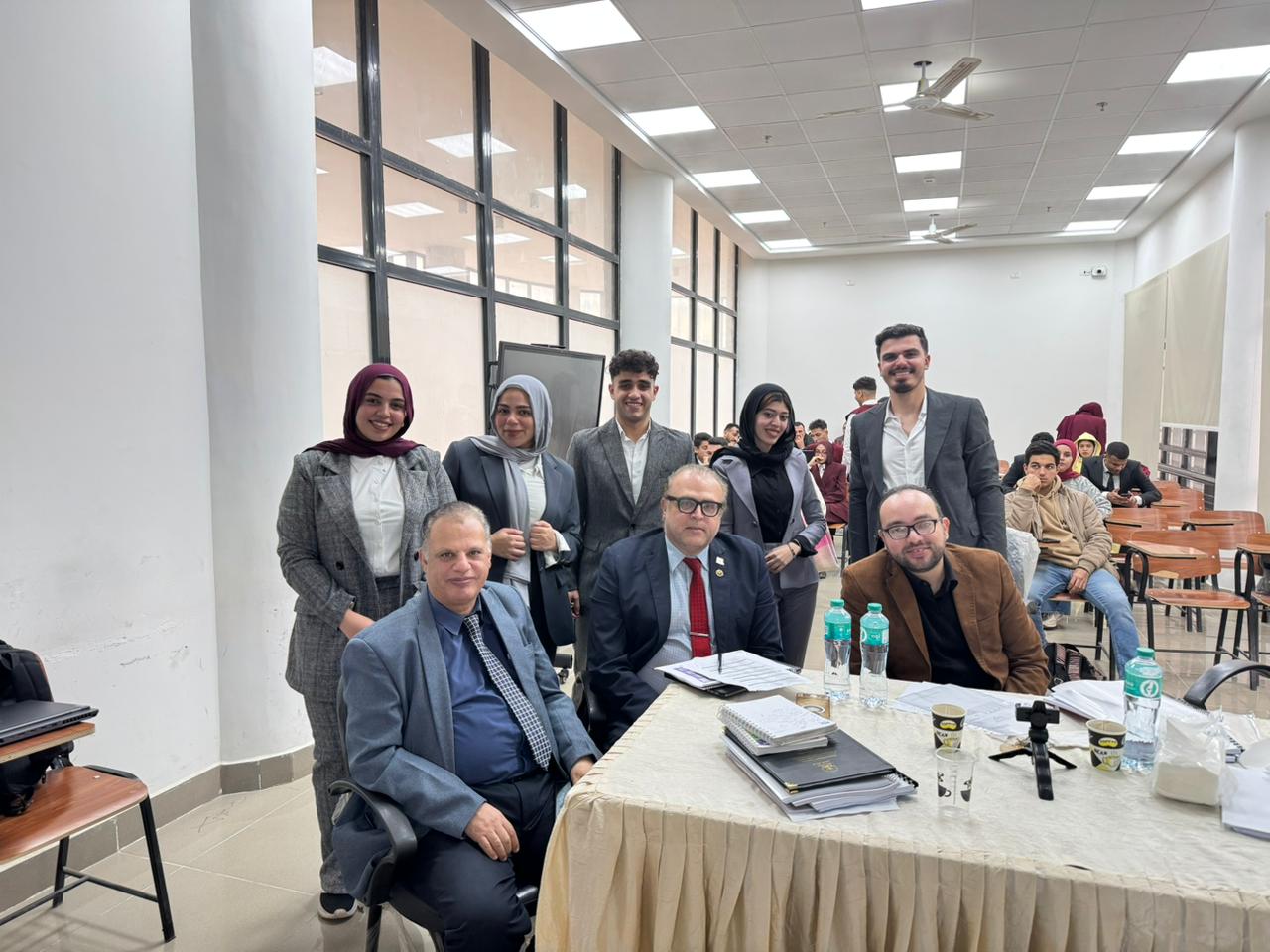
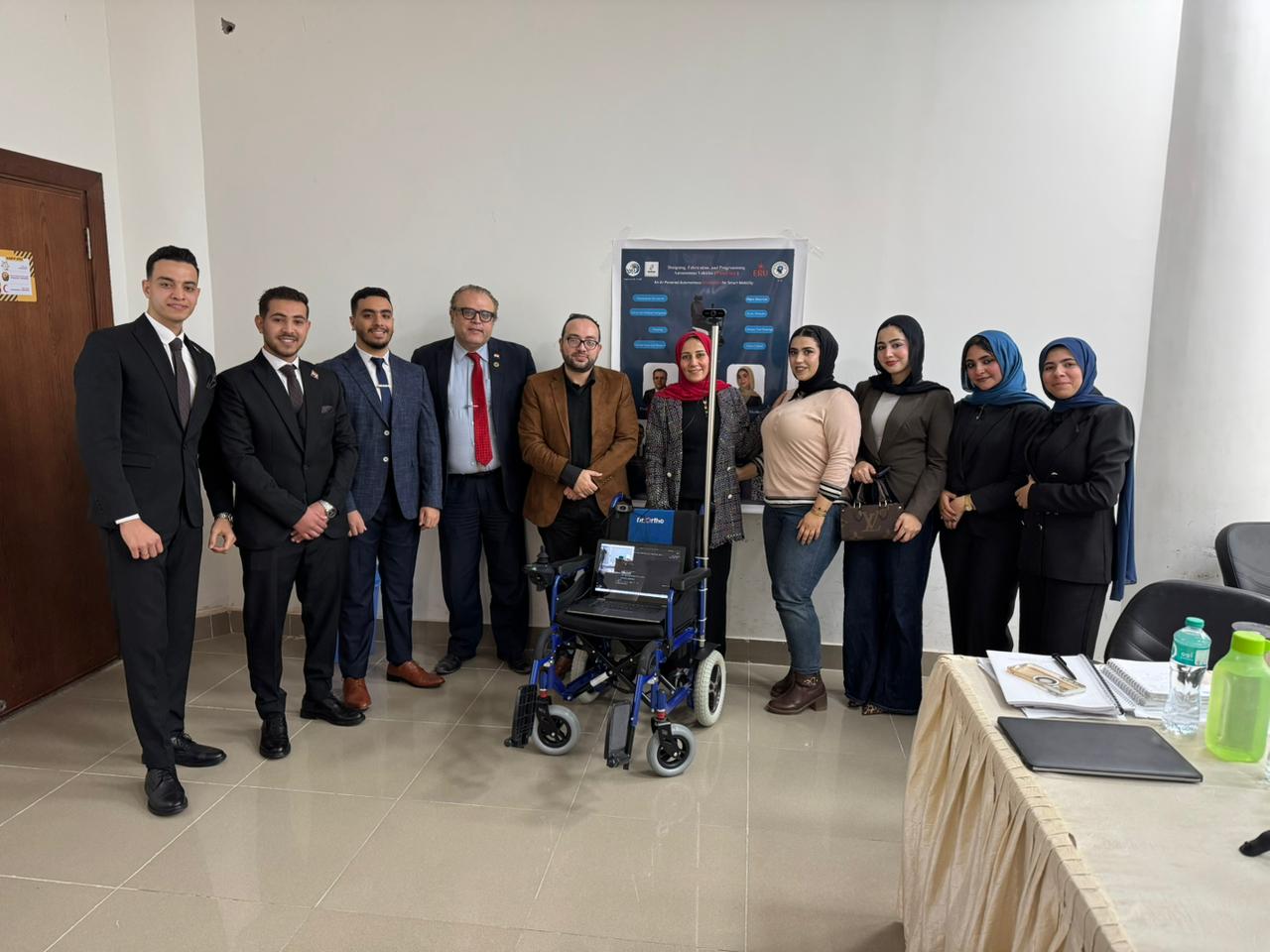
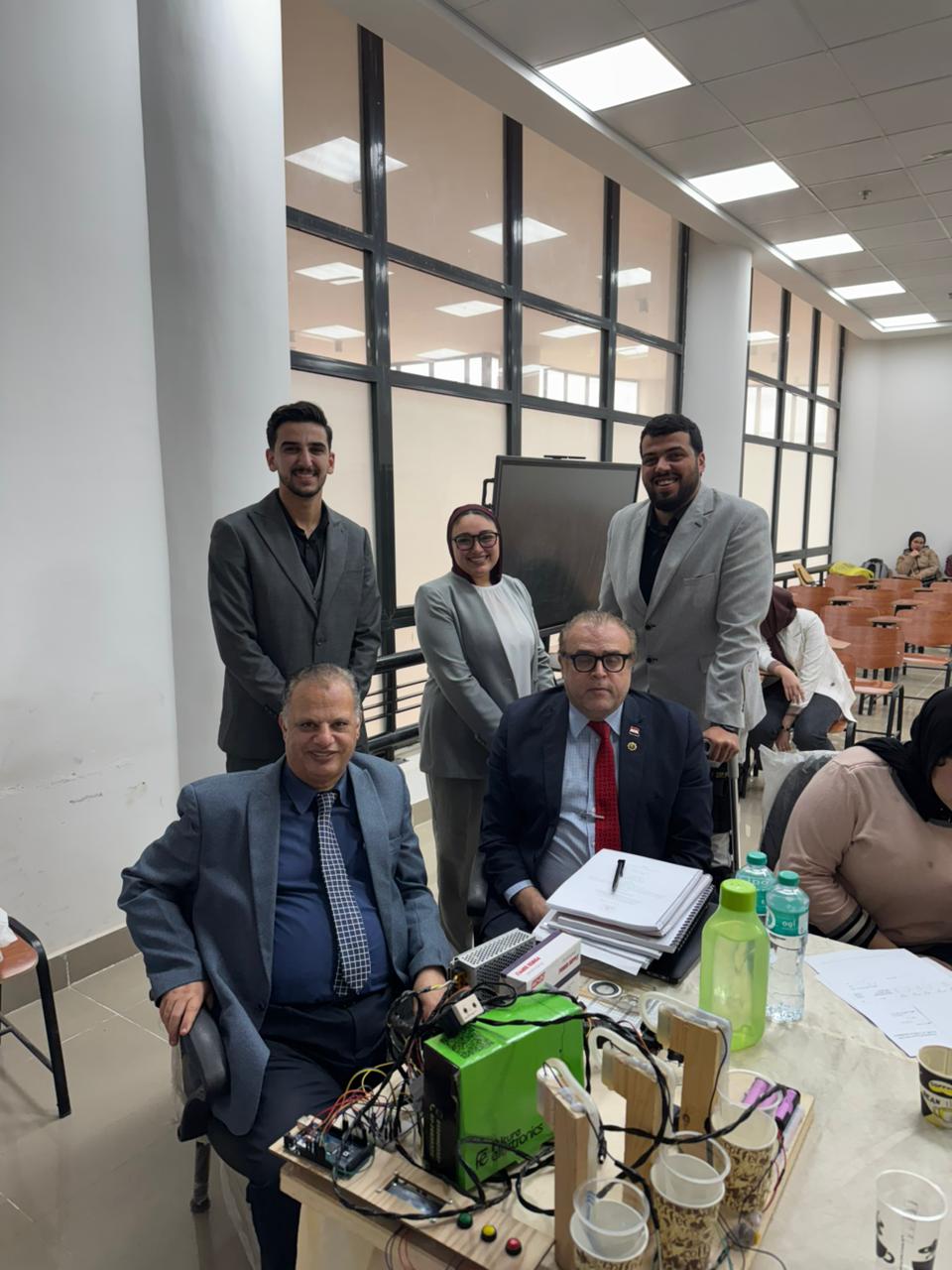
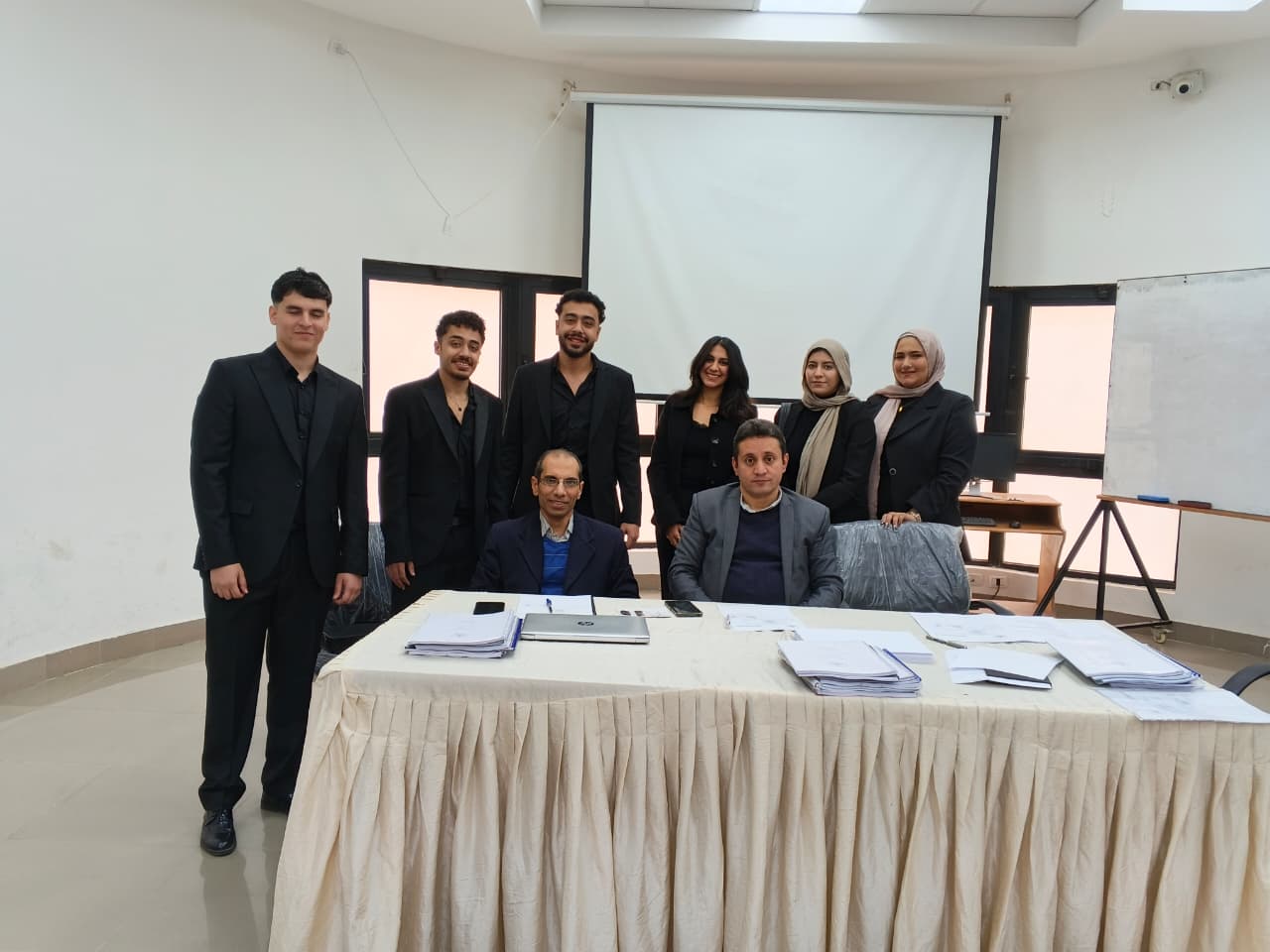
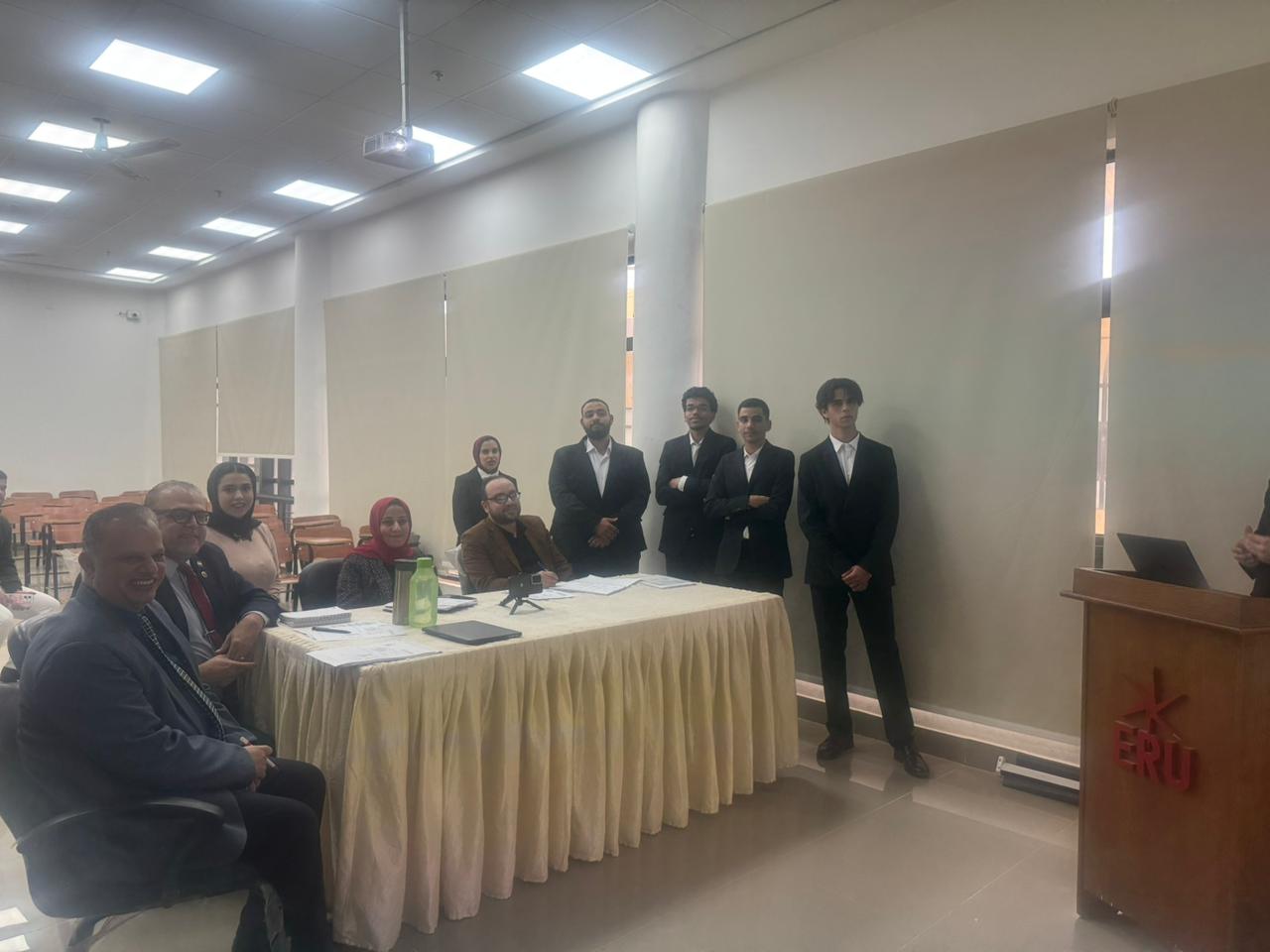
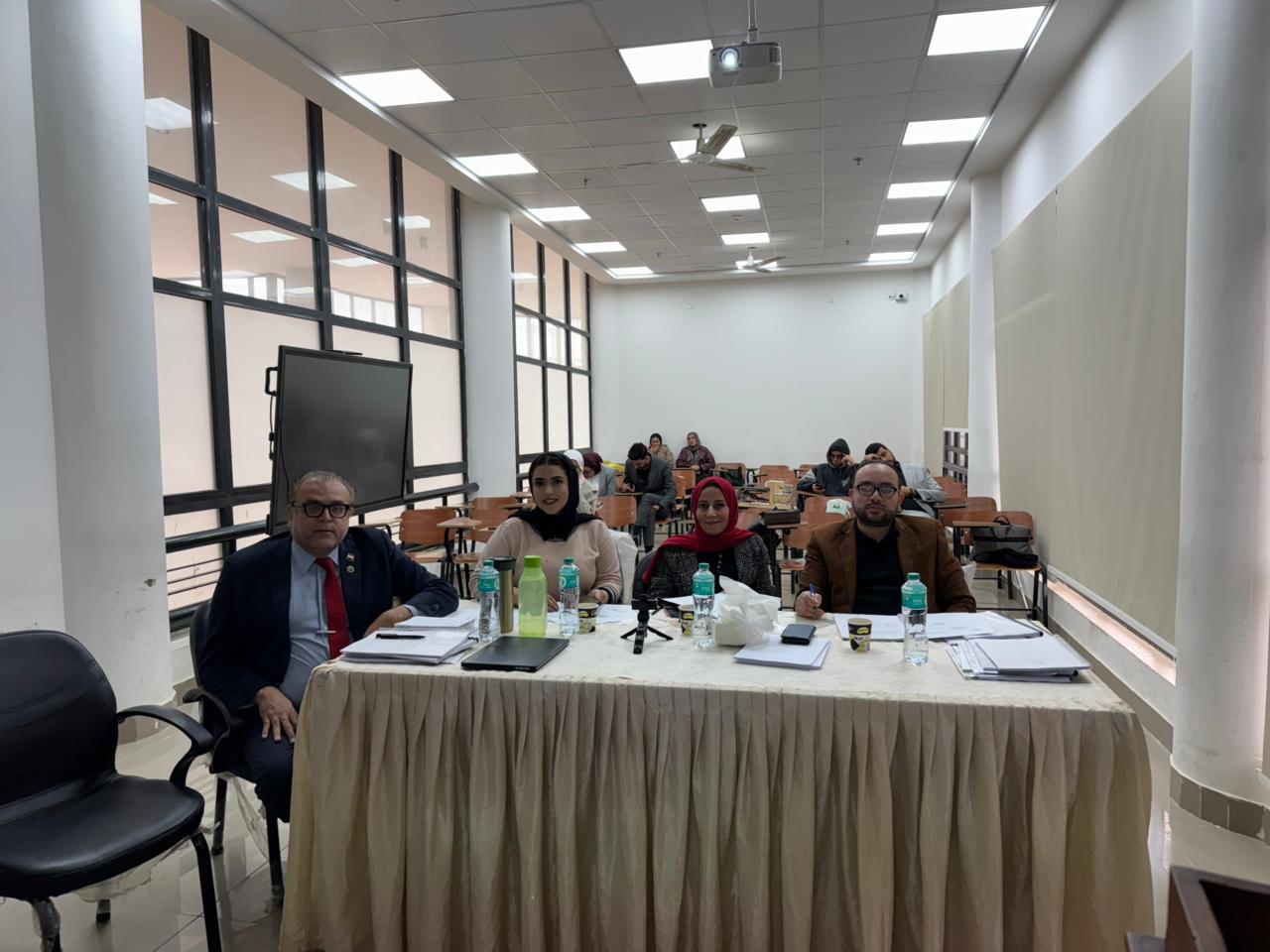
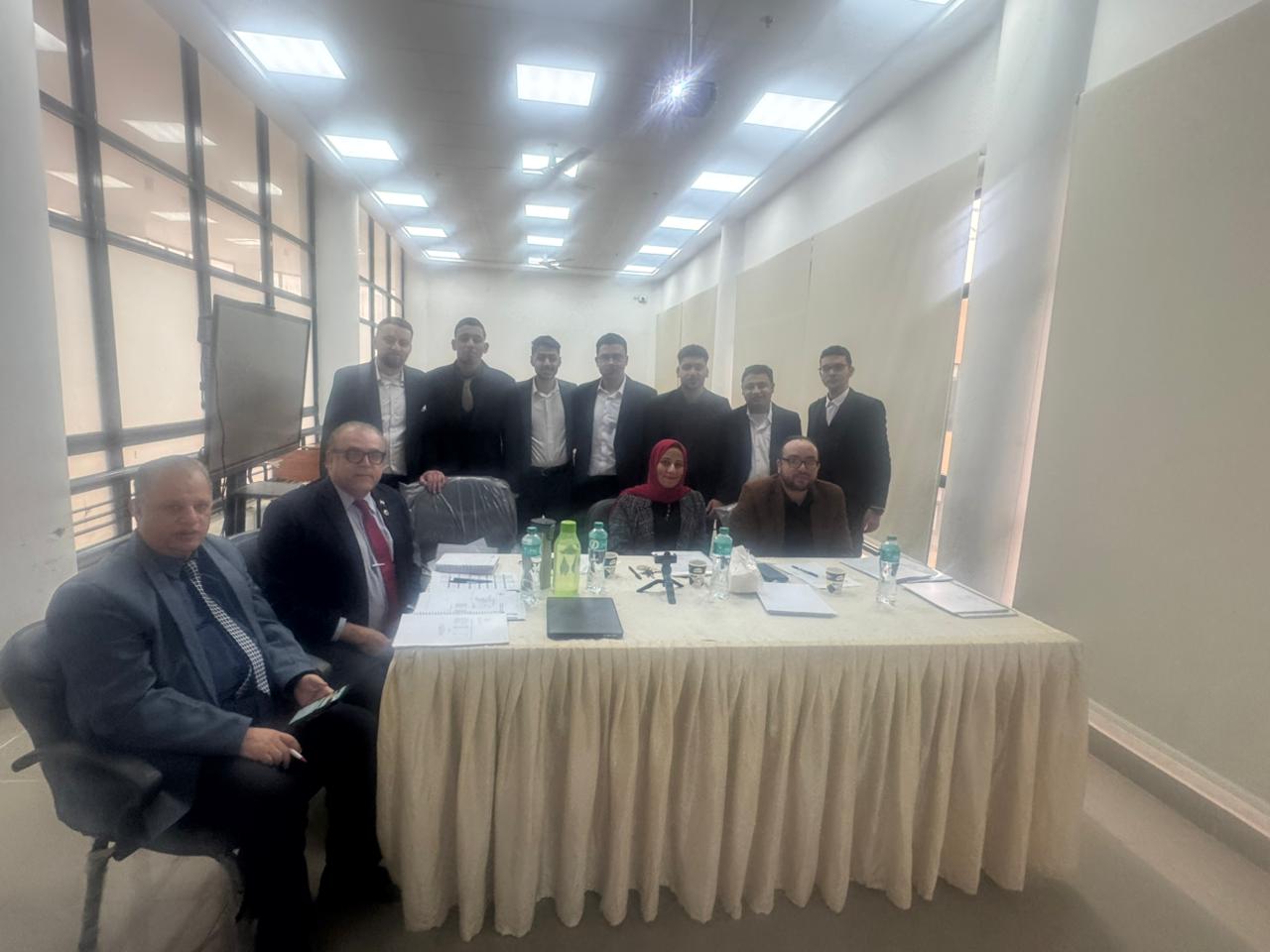
As part of the Egyptian Russian University’s commitment to supporting academic excellence, reinforcing applied learning, and linking educational outcomes to labor market needs, the Faculty of Artificial Intelligence concluded the activities of graduation project discussions for final-year students for the first semester of the academic year 2025/2026. Forty-one graduation projects were discussed and evaluated amidst a distinguished academic atmosphere that reflected the students’ high level of scientific maturity and creativity. The discussions were conducted by four specialized scientific judging committees. The committees included a select group of faculty members from the faculty. The projects were evaluated according to precise academic standards that included scientific originality, application aspect, quality of proposed solutions, and the extent of their relevance to real challenges and community needs.
The 41 graduation projects were characterized by a remarkable diversity in their topics, of which the most notable are the following:
* Artificial intelligence applications in the area of healthcare and medical decision support.
* Projects which employ artificial intelligence to support addiction treatment programs and analyze risky behaviors, contributing to the enhancement of mental health and social well-being.
* Systems of decision-making support and predictive analyses.
* Cybersecurity projects and intrusion detection and prevention systems.
* Smart solutions in the areas of transportation, agriculture, e-learning, human resources, and the “internet of things”.
* Innovative applications that serve the community and promote digital transformation.
The projects demonstrated the students’ advanced level of creativity and their ability to employ theoretical knowledge in practical, implementable solutions, reflecting the quality of the academic program and the level of scientific supervision.
The judging committees paid tribute to the students’ outstanding level and the efforts made by the faculty members and supervisors in supporting and guiding the students. They affirmed that these projects – including the addiction treatment project – reflect the students’ awareness of the role of artificial intelligence in serving priority health and societal issues.
At the conclusion of the event activities, the Faculty of Artificial Intelligence extended its sincere congratulations to its students on this honorable academic achievement, wishing them continued success in their professional careers, and emphasizing the university’s continued support for innovation and applied research, in order to achieve its educational vision and mission.