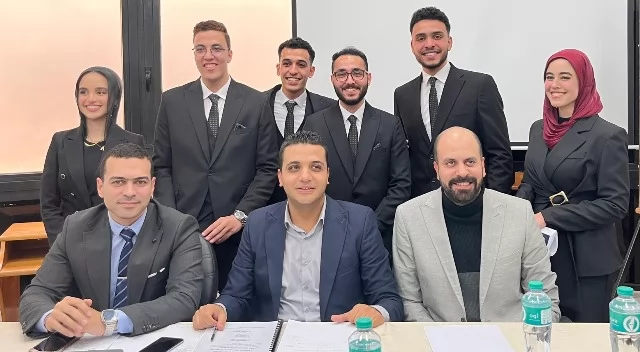
AI Students at the Egyptian Russian University Present 41 Graduation Projects
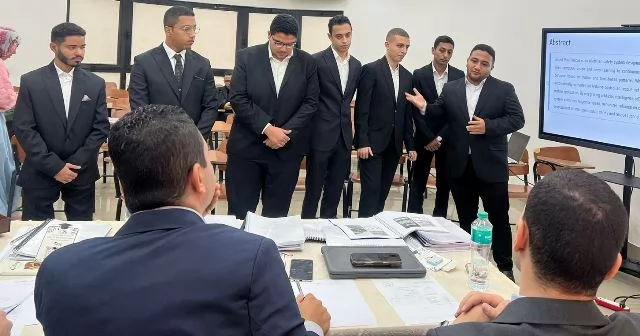
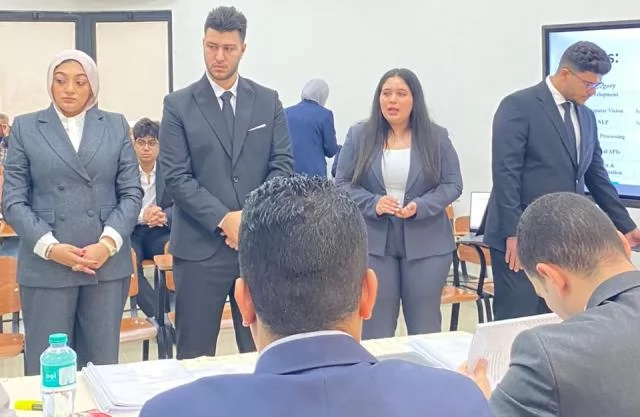
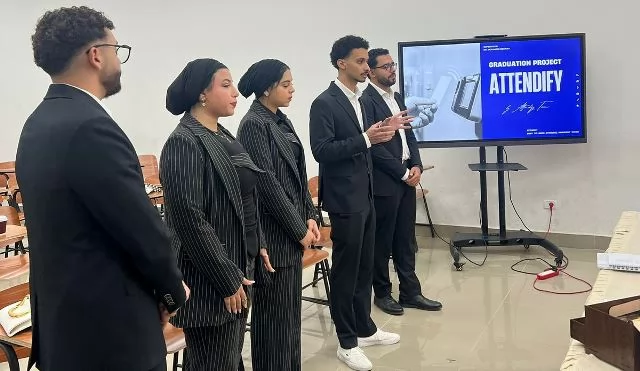
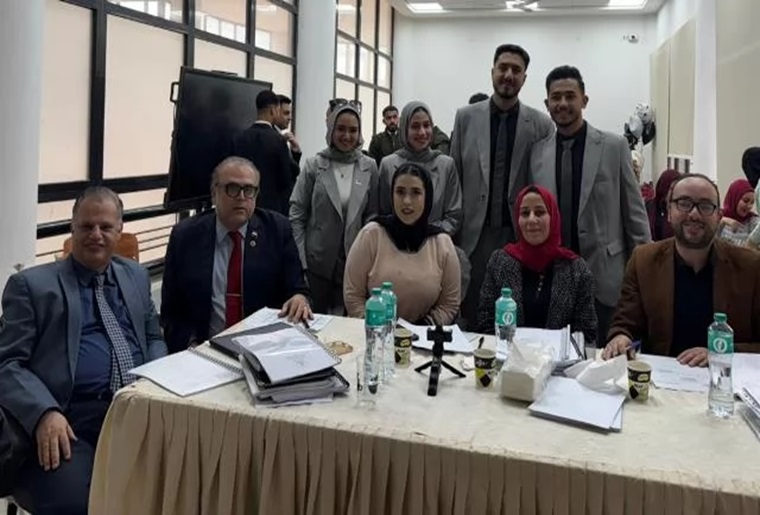
Dr. Sherif Fakhry Mohamed Abdelnaby, President of the Egyptian Russian University (ERU), announced that the Faculty of Artificial Intelligence discussed (41) graduation projects at the end of the first semester of the 2025–2026 academic year. The projects were presented across three distinguished programs that meet the needs of both the local and international labor markets: Artificial Intelligence, Data Science, and Cybersecurity.
He added that a fourth program, Software Engineering, is also offered, and its first cohort is expected to graduate next year. This comes as part of the university’s commitment to developing the educational process and providing students with unique experiences that combine academic content, training, and practical application—qualifying them to be competitive and well-prepared for the job market. He also noted that these projects are supported by Dr. Mohamed Kamal Mostafa, Chairman of the University’s Board of Trustees.
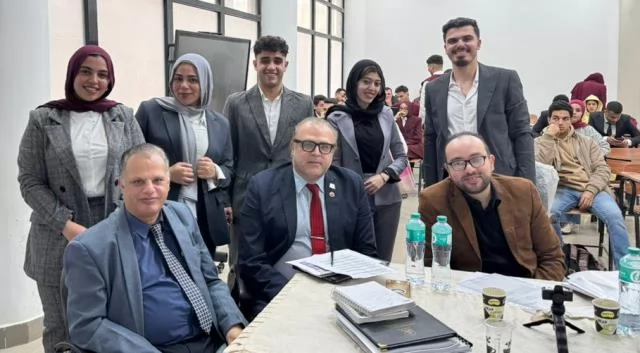
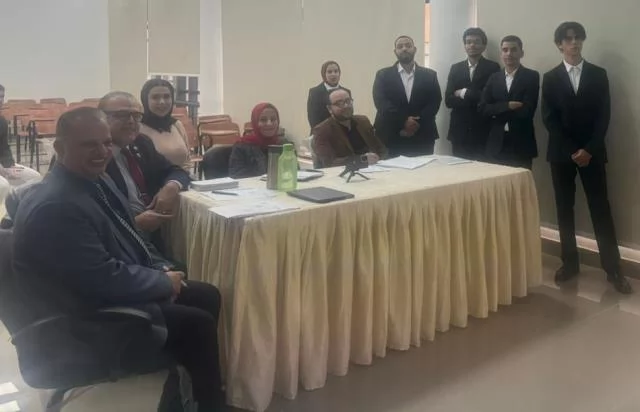
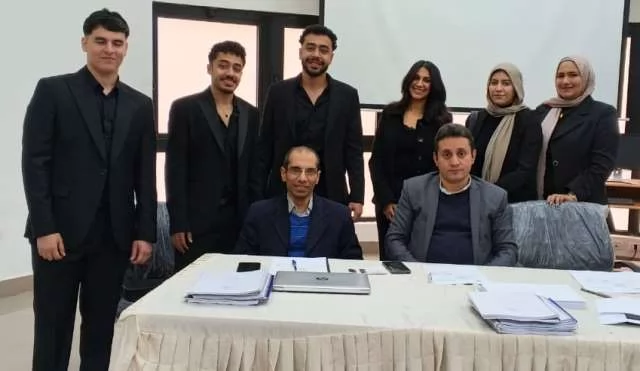
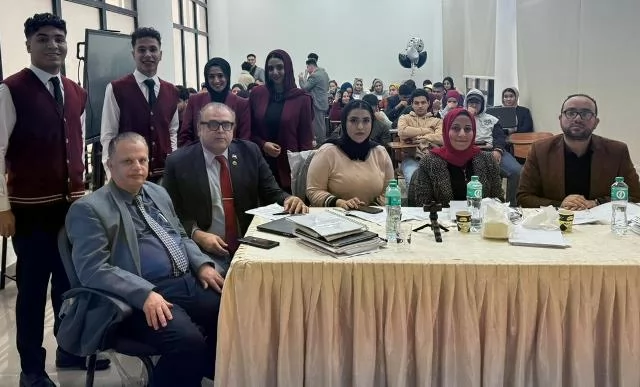
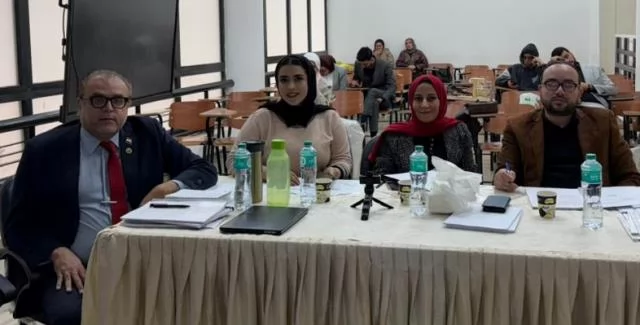
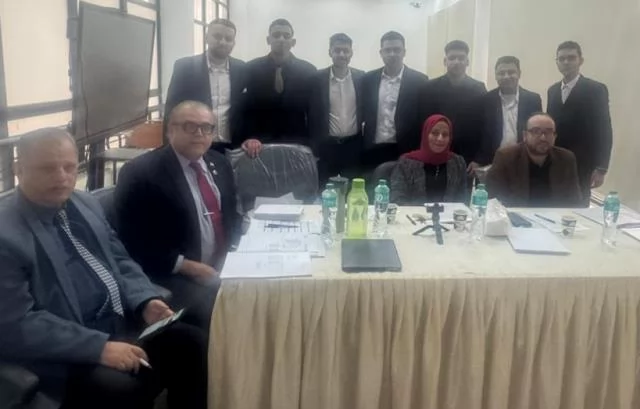
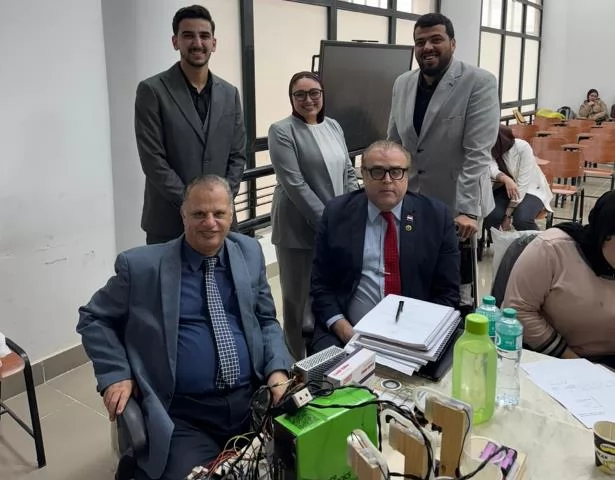
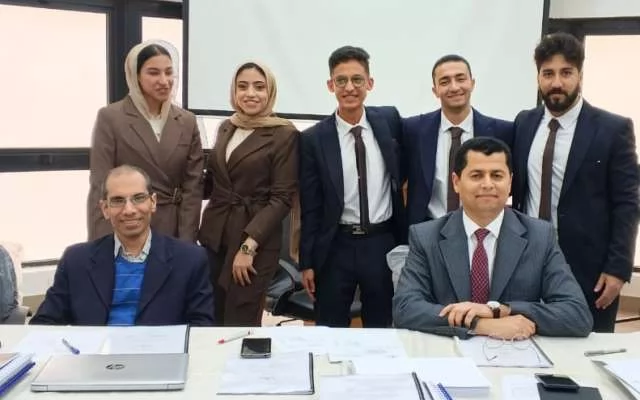
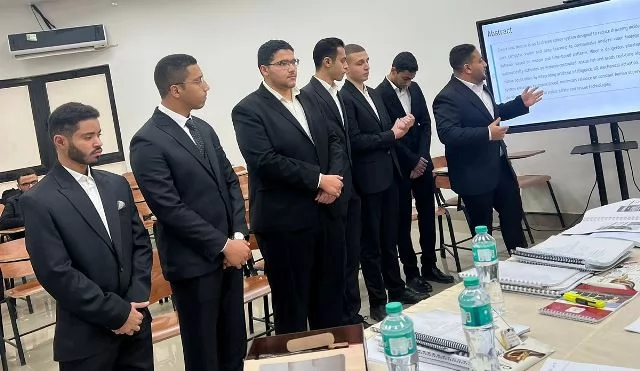
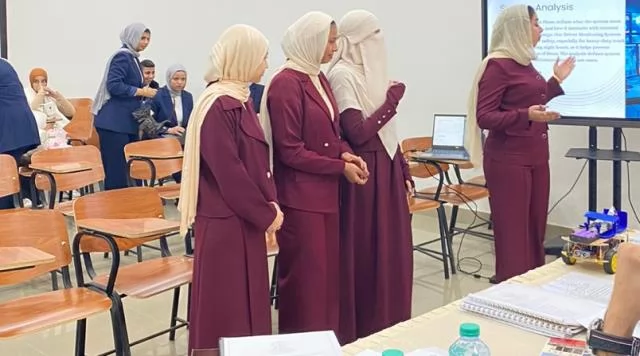
In the same context, Dr. Hisham Fathy, Dean of the Faculty of Artificial Intelligence at ERU, explained that the discussions were conducted through four specialized scientific evaluation committees composed of distinguished faculty members. The projects were assessed according to precise academic criteria, including: scientific originality, practical application, quality of proposed solutions, relevance to real-world challenges, and alignment with community needs.
The Dean confirmed that the 41 graduation projects demonstrated remarkable diversity in their topics. أبرزها included:
Applications of artificial intelligence in healthcare and medical decision support.
AI-based projects supporting addiction treatment programs and analyzing risky behaviors, contributing to the enhancement of mental and community health.
Decision support systems and predictive analytics.
Cybersecurity projects and intrusion detection and prevention systems.
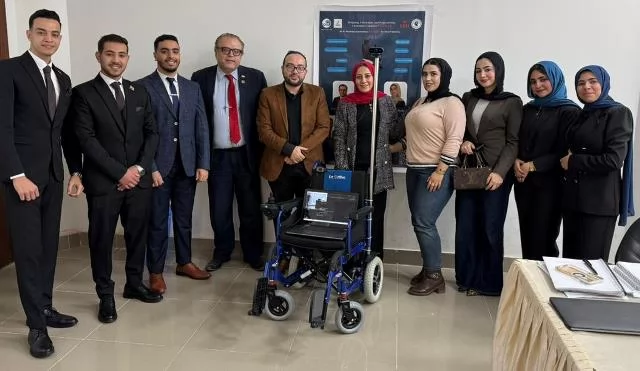
Smart solutions in transportation, agriculture, e-learning, human resources, and the Internet of Things.
Innovative applications serving the community and promoting digital transformation.
Dr. Hisham Fathy pointed out that the projects reflected an advanced level of creativity and the students’ ability to apply theoretical knowledge to practical, implementable solutions—demonstrating the quality of the academic program and the level of scientific supervision. He extended his sincere congratulations to the students on their outstanding academic projects and wished them continued success in their professional careers. He also emphasized the university’s ongoing support for innovation and applied research in line with its vision and educational mission.
For their part, the professors and members of the evaluation committees praised the great effort exerted by the students in developing and presenting these diverse and distinguished projects, which keep pace with rapid technological and industrial advancements and contribute to improving quality of life. They affirmed that these projects—among them the “Addiction Treatment Project”—reflect students’ awareness of the vital role of artificial intelligence in addressing priority health and societal issues.