
At "Bioremediation for Producing Eco-Friendly Fertilizers" Workshop … Egyptian Russian University Launched Initiative for Transforming Waste into Productive Resources… photos
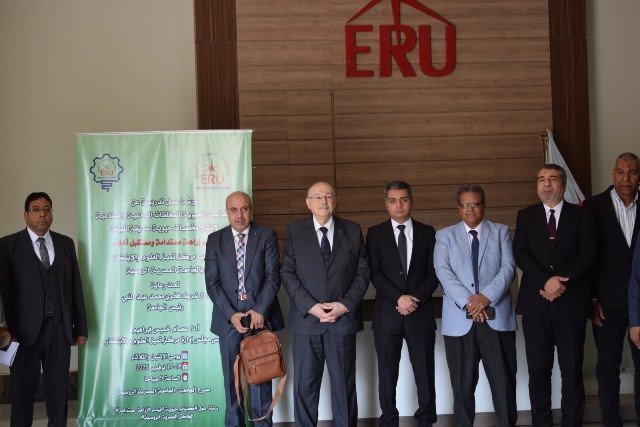
Dr. Sherif Fakhry Mohamed Abd-el-Naby, President of the Egyptian Russian University (ERU), announced that the university’s “Center of Excellence for Science and Innovation” organized a specialized workshop entitled: “Bioremediation for Producing Eco-Friendly Bio-fertilizers”” under the patronage of Dr. Mohamed Kamal Al-Sayed Mostafa, Chairman of the Board of Trustees of the ERU.
The ERU President asserted that organizing this event comes within the framework of the university’s orientation towards localizing scientific knowledge and providing innovative solutions to environmental and agricultural challenges, in line with national goals to reinforce the green economy and sustainable development.
In the same vein, Dr. Essam Khamis, Chairman of the Board of Directors of the Center of Excellence for Science and Innovation at the ERU, highlighted that the workshop aims to bring about a qualitative shift in the management of agricultural and industrial waste, and to transform it into resources with added value capable of supporting food security and environmental sustainability, and reducing dependence on imported chemical fertilizers. He noted that the workshop’s scientific program included four key themes:
- Advanced biological mechanisms for converting agricultural and industrial waste into highly efficient bio-fertilizers.
- The use of micro-organisms and enzymes in biodegradation and bioremediation processes.
- Circular economy applications and their role in maximizing the economic benefits of waste.
- Ways to increase the environmental and economic returns from recycling waste in the agricultural and industrial sectors.
The Chairman of the Board of Directors of the Center of Excellence for Science and Innovation at the ERU added that bio-treatment technologies for agricultural and industrial waste are one of the main pillars for achieving environmental sustainability in Egypt, as they provide scientific and practical solutions to deal with the increasing volume of waste and its environmental repercussions, and transform it from an environmental and economic burden into safe and effective products.
On his part, Dr. Osama Abd-el-Hafez, Director of the Center of Excellence for Science and Innovation at the ERU, asserted that the workshop aligns with national trends toward green transformation, offering practical solutions to address pressing environmental issues, the most important of which are the following:
- Reducing environmental pollution, which result from the indiscriminate burning of waste.
- Providing sustainable, locally produced alternatives to imported chemical fertilizers.
- Achieving the goals of “Egypt Vision 2030”.
- Creating promising investment opportunities in the biological and environmental industries sector.
- Creating promising investment opportunities in the biological and environmental industries.
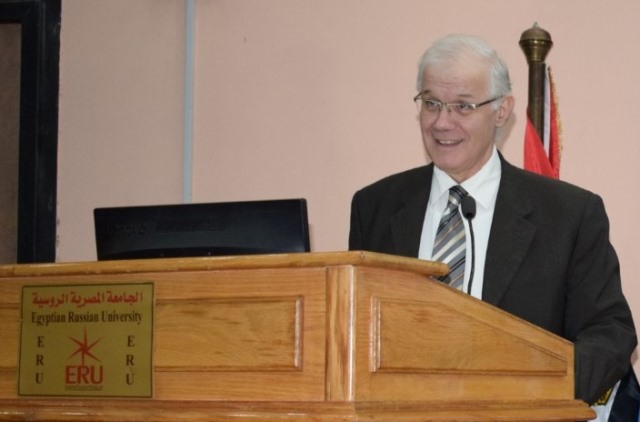
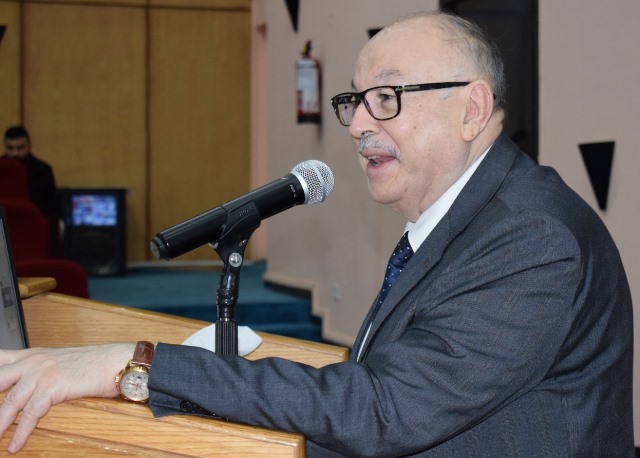
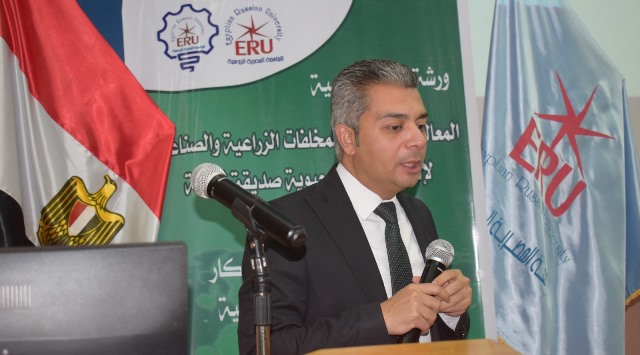
The workshop opened with a keynote lecture by Dr. Mohamed Moatamid, Assistant Minister of Environment for Planning, Investment and Institutional Support, and Head of the Environmental and Climate Investment Unit. In his lecture, Dr. Moatamid reviewed his strategic vision and his rich experience in the fields of climate, environment, and green investment. highlighting national policies and incentives, which support the transition to a green economy. The workshop sessions were enriched by eight senior lecturers and specialized experts who presented the latest scientific visions and practical applications in the field of bioremediation of waste and bio-fertilizer production.
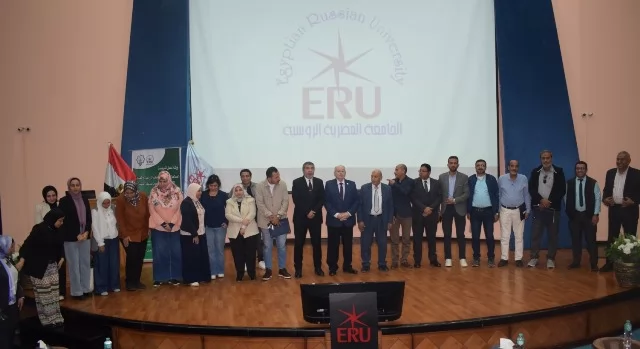
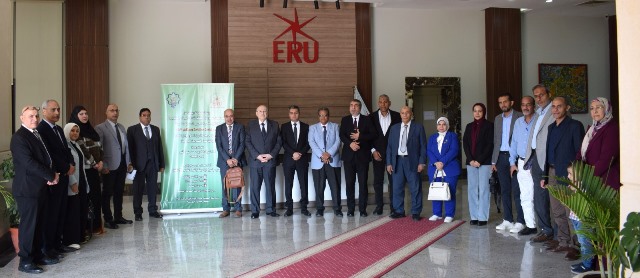
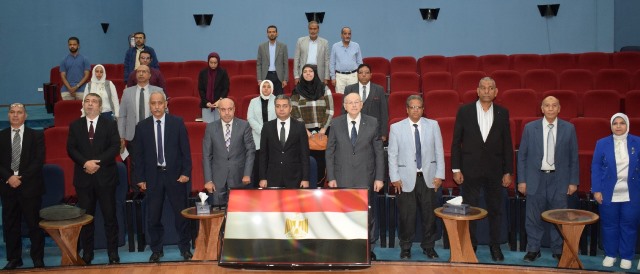
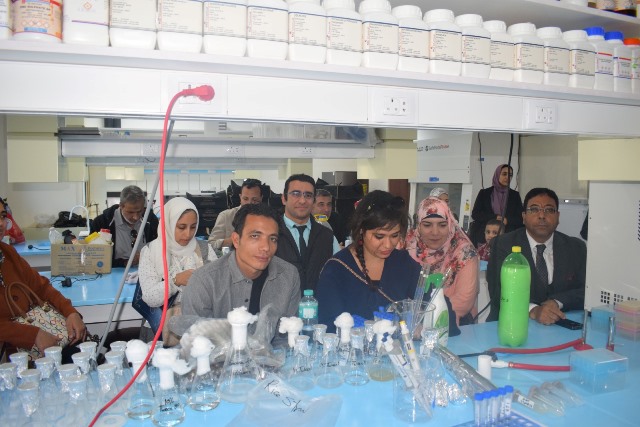
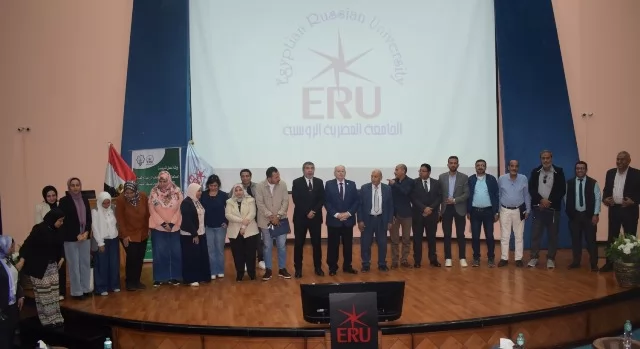
The workshop witnessed wide participation, exceeding forty trainees and specialists from local and regional academic and industrial institutions, including the following:
- From the Kingdom of Saudi Arabia: King Saud University, Umm Al-Qura University, and Princess Nourah bint Abdulrahman University”.
- From Egypt: Cairo University, Al-Azhar University, Assiut University, Tanta University, Beni Suef University, Luxor University, South Valley University, Dr. Abd-el-Aal Hassan Mubasher Center for Mycology, and the Agricultural Research Center.
- In addition, major industrial companies participated, including: Abu-Qir Fertilizers Company, Nile Sugar Company, Nubareya Sugar Company, and Kanson Chemicals Import & Export Company.
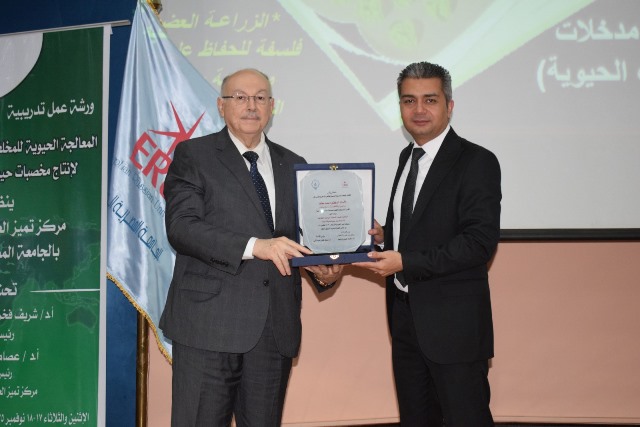
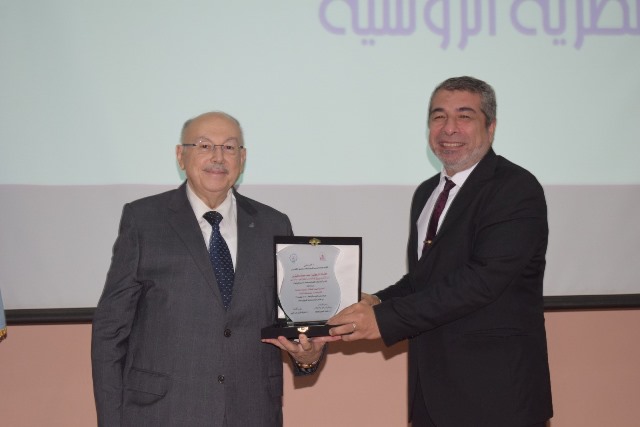
At the conclusion of the event, the organizers expressed their gratitude to Dr. Sherif Fakhry, the University President, for his continued support, and to the organizing committee and the technical, administrative and financial team at the university, headed by Professor Akram Abd-el-Hamid, the University Secretary General, for their outstanding efforts to ensure the success of the workshop.
The workshop gained particular importance due to the pivotal role that bioremediation technologies perform in supporting sustainable development in Egypt, as they offer innovative scientific solutions to address growing environmental challenges. These technologies contribute to transforming agricultural and industrial waste from an environmental and economic burden into valuable resources, which promote improvement of the environment, increasing agricultural production, and reducing reliance on chemical fertilizers.
It is worth mentioning that the workshop concluded with several important recommendations, the most notable of which are the following:
- Forming a technical committee to develop national standards for the production of bio-fertilizers.
- Establishing a collaborative platform linking universities, research centers, and the industrial sector.
- Developing specialized training programs for young people in the field of biotechnology and waste recycling.
The participants unanimously agreed that the initiative represents a successful model for the integration of scientific research and industry, and reflects the growing role of universities as incubators in reinforcing innovation and promoting the path of sustainable development in Egypt.