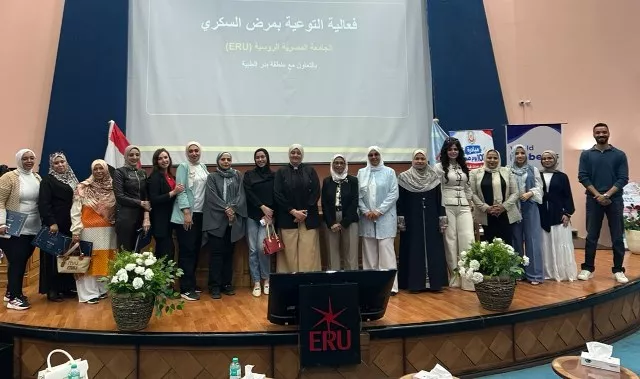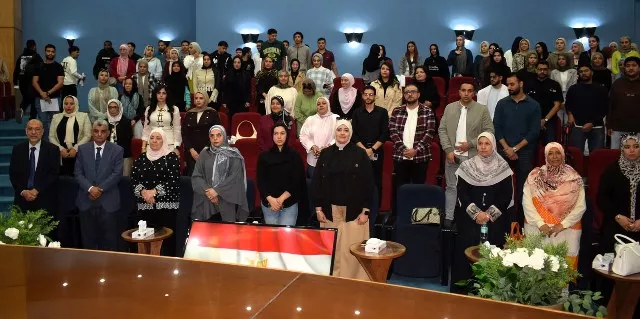
In addition to hosting the presidential initiative "100 Days of Health" The Egyptian Russian University marks World Diabetes Day in collaboration with the Badr City Medical District
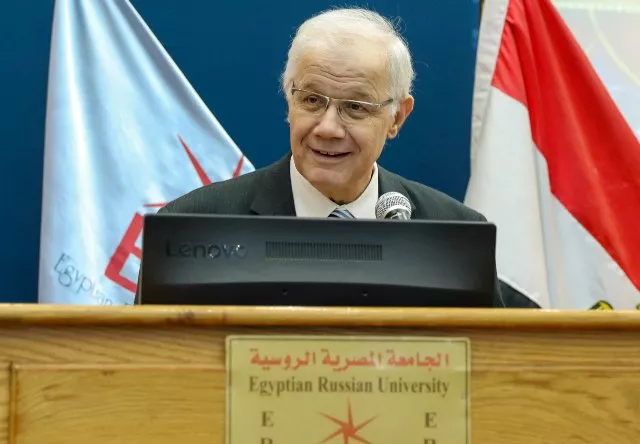
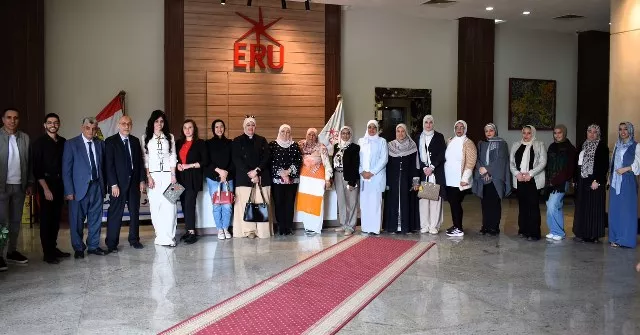
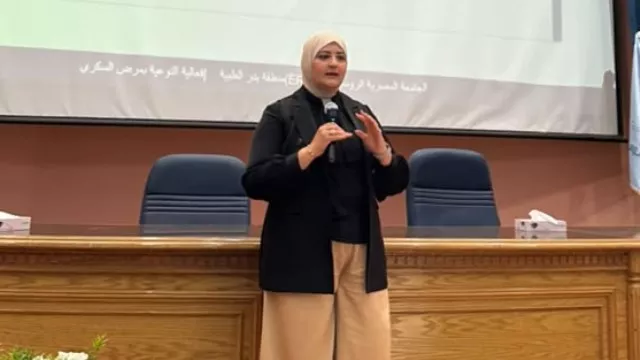
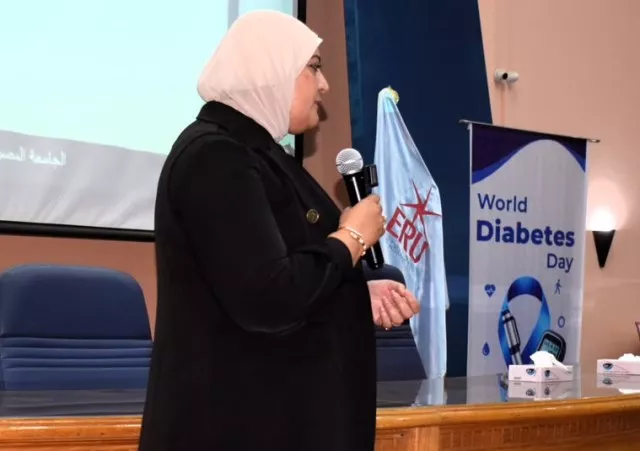
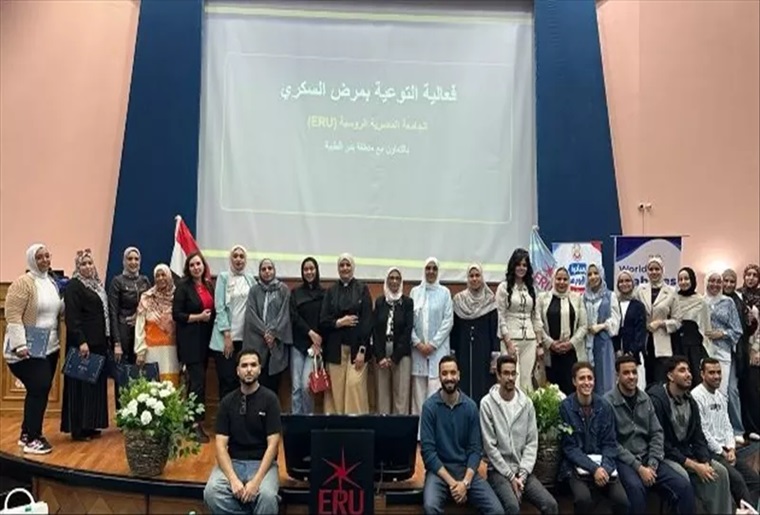
Dr. Sherif Fakhry Mohamed Abdel-Nabi, President of the Egyptian Russian University (ERU), announced that the university’s Faculty of Pharmacy organized a World Diabetes Day event on campus. The event was held in cooperation with the Badr City Medical District—led by its General Director, Dr. Haidy El-Qazzaz—and was organized by the Egyptian Pharmaceutical Students’ Federation at the ERU (EPSF-ERU). It was coordinated by the Faculty of Pharmacy’s Community Service and Environmental Development Committee, with support from Dr. Mohamed Kamal El-Sayed Mostafa, Chairman of the University’s Board of Trustees. This initiative aligns with the university’s strategy and its ongoing commitment to promoting health awareness, supporting national efforts to educate the public about diabetes, and mitigating its complications—all with the goal of improving the quality of life for individuals both within the university and in the surrounding community.
Strengthening Partnerships with Health Institutions
The ERU President noted that this event underscores the university’s dedication to strengthening partnerships with health institutions, empowering students to serve the community, and translating academic knowledge into awareness-raising practices that contribute to building a more informed and healthier society.
A Comprehensive Scientific and Educational Program
Dr. Ehab Fattouh, Dean of the Faculty of Pharmacy at the Egyptian Russian University, explained that the World Diabetes Day activities featured a comprehensive scientific and educational program. This included a series of scientific sessions and specialized panel discussions covering various aspects of diabetes, the importance of health awareness and education, and the empowerment of individuals living with the condition.
Linking the Clinical Biochemistry Course to Practical Application
The Dean of the Faculty of Pharmacy at the Egyptian Russian University (ERU) stated that this participation was part of the Clinical Biochemistry course. It aimed to bridge the gap between the scientific knowledge acquired by students and its practical application, while strengthening their role in promoting health awareness and serving the community. The activity was conducted and supervised by Dr. Omnia Ezzat, Acting Head of the Biochemistry Department; Dr. Amira Ahmed, a lecturer in the Biochemistry Department and coordinator of the Clinical Biochemistry course; Dr. Hadeer Saeed, a lecturer in the Biochemistry Department and academic supervisor for the Egyptian Pharmaceutical Students’ Federation at the Egyptian Russian University (EPSF-ERU); and pharmacist Ahmed Selim, a teaching assistant in the Biochemistry Department.
Distribution of Awareness leaflets
For her part, Dr. Hanaa Abdel Rahman, Advisor to the President of the Egyptian Russian University for Student Activities, emphasized the university administration’s commitment to supporting student activities and community-based initiatives. She highlighted the encouragement given to students to actively participate in promoting health awareness and serving the community. She noted that the event witnessed significant involvement from fourth-year students in the Pharm D program at the Faculty of Pharmacy, who prepared and distributed awareness leaflets regarding diabetes across the university campus. These leaflets were shared with students, staff, and the broader university community to raise awareness about the nature of diabetes, the importance of healthy nutrition, physical activity, adherence to treatment, and regular medical follow-ups, as well as to provide information on prevention strategies and ways to mitigate complications.
Egyptian Pharmaceutical Students’ Federation (EPSF)
The Advisor to the President of the Egyptian Russian University (ERU) for Student Activities expressed her gratitude and appreciation to the leadership of the Badr City Medical District, as well as to all the lecturers, speakers, and the participating medical team. She also commended the outstanding efforts of the students from the Egyptian Russian University branch of the Egyptian Pharmaceutical Students’ Federation (EPSF-ERU), who organized the event. This was carried out under the academic supervision of Dr. Hadeer Saeed, a lecturer in the Department of Biochemistry at the Faculty of Pharmacy, whose significant contributions in guiding, supporting, and mentoring the students were highly valued. The students demonstrated an exemplary spirit of cooperation, teamwork, and volunteerism.
Linking Academic Curricula to Sustainable Development Goals (SDGs)
In a related context, Dr. Gamil Abdullah, Vice Dean of the Faculty of Pharmacy at the Egyptian Russian University, noted that participation in “World Diabetes Day” activities reflects the alignment of academic curricula with the United Nations Sustainable Development Goals (SDGs). Specifically, this includes Goal 3 “Good Health ” by promoting health awareness and the prevention of chronic diseases and Goal 4 (“Quality Education”) by providing students with opportunities to apply their academic knowledge through practical, real-world educational and community-based activities; and Goal 17 (“Partnerships for the Goals”) through the collaboration between the university and the Badr City Medical District in implementing awareness initiatives and health services.
Honoring Speakers and Lecturers
Dr. Laila Ramadan, Vice Dean of the Faculty of Pharmacy for Community Service and Environmental Development, honored all participants—including speakers, lecturers, and representatives from the Badr City Medical District—in recognition of their efforts and significant contributions to the success of this awareness-raising event.
Educational and Medical Institutions
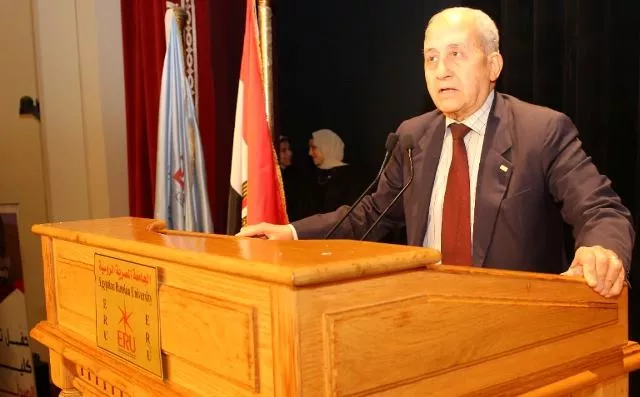
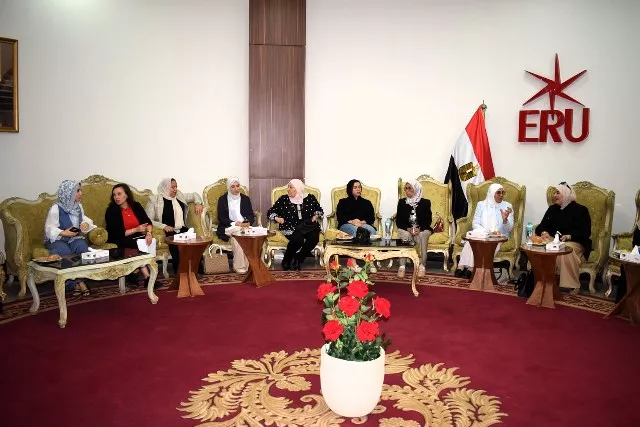
In the same context, Dr. Haidy El-Qazzaz, General Director of the Badr City Medical District—who delivered the opening speech—praised the collaboration with the Egyptian Russian University. She emphasized the importance of synergy between educational and medical institutions in supporting health initiatives, bolstering national efforts to curb chronic diseases, improving the quality of life for citizens, and facilitating access to medical treatment services.
Specialized discussion session
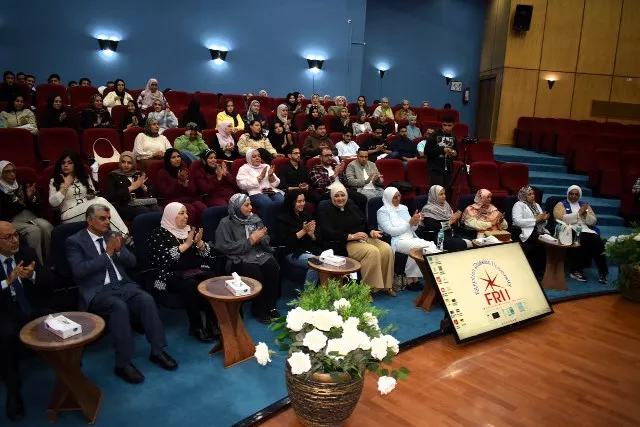
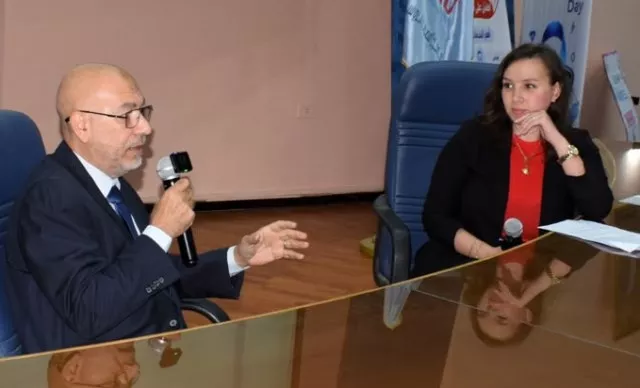
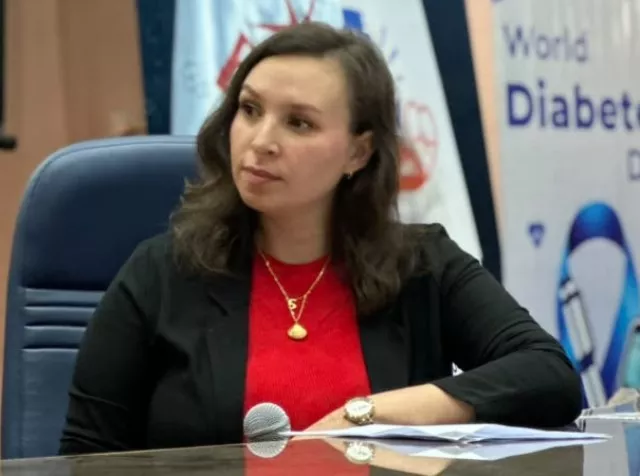
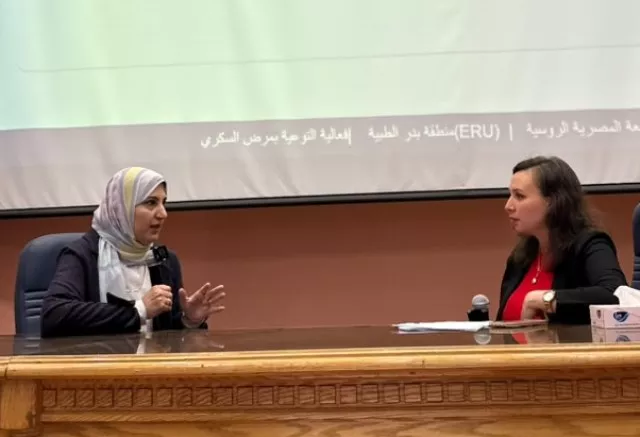
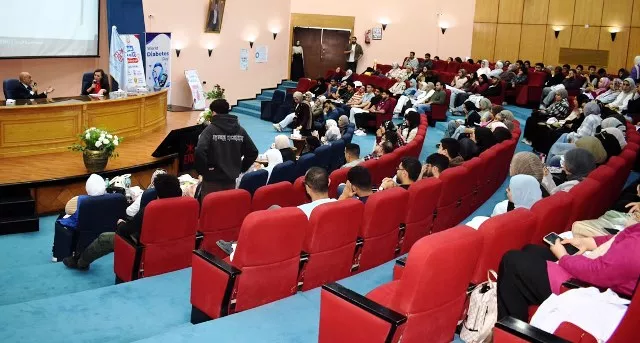
Dr. Sarah Hammam, a Patient Safety Ambassador, moderated a discussion featuring Dr. Sherif El-Hussien Tarad—a consultant in internal medicine, diabetes, obesity, and critical care, and a Fellow of the Royal College—along with pharmacist Dr. Dalia Mohamed El-Sherif, a certified diabetes educator. The discussion explored strategies for managing diabetes, the importance of regular medical follow-ups and adherence to treatment plans, and the role of health education in enhancing the quality of life for those living with the condition.
Managing Blood Sugar Levels
In the same context, Dr. Nashwa El-Tantawy, a lecturer in the Department of Clinical Pharmacy and Pharmacy Practice at the Faculty of Pharmacy, Egyptian Russian University, discussed the pharmacist’s role in the care of individuals living with diabetes. She highlighted the importance of medical nutrition therapy in managing the condition, emphasizing the need for a balanced diet tailored to each patient’s specific requirements. This includes carefully distributing carbohydrate intake and selecting fiber-rich sources, which helps improve the control of blood sugar levels.
Psychological Health and the Importance of Emotional Support
Relatedly, Dr. Doaa Farouk, Director of the Center for Emotional Support and Psychological Counseling at the Egyptian Russian University, explored the mutual relationship between diabetes and Psychological health. She explained how psychological stress can affect blood sugar levels, and conversely, how the demands of managing the disease can impose a psychological burden on the patient. She underscored the significance of psychological support in helping those living with diabetes accept their condition—viewing it as a health state that requires mindful management rather than as a form of punishment or a reason for resignation. She also highlighted the importance of reframing negative thoughts associated with the disease and learning to navigate setbacks or mistakes without self-reproach, thereby fostering positive adaptation and adherence to the treatment plan.
Periodic Visits
As part of an awareness campaign regarding the link between diabetes and oral health, Dr. Ola Ahmed—Director of the Health Education Department at the Badr City Medical District—along with Dr. Amal El-Sayed (Health Education Officer for Oral Health) and Menatallah Ahmed (Health Educator), discussed the impact of high blood sugar levels on oral health. They highlighted the increased risk of gum inflammation, dental diseases, dry mouth, fungal infections, and delayed wound healing. The team emphasized the importance of managing blood sugar levels, maintaining good oral hygiene, and scheduling regular dental check-ups. They also stressed the necessity of informing one’s dentist about a diabetes diagnosis to ensure appropriate care and prevent complications.
The Role of the Community and Media
In the same context, Bahia Abdullah—Director of the Citizens’ Service Department and Media Director at the Badr City Medical District—addressed the role of the community and the media in supporting individuals with diabetes. She underscored the importance of collaborative efforts from both the community and the media to raise awareness and provide support to those living with the condition.
The “100 Days of Health” Initiative
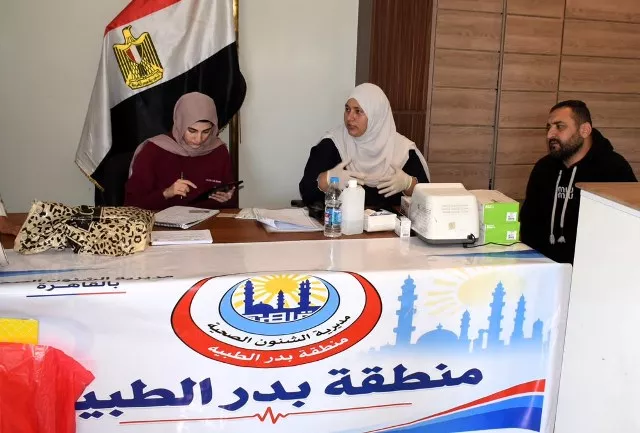
In the same context, pharmacist Marah Hussein, representing the Community Service and Environmental Development Committee at the Faculty of Pharmacy of the Egyptian Russian University, noted that—as part of the presidential “100 Days of Health” initiative—the university campus hosted a comprehensive medical team from the Badr City Medical District. The team provided health services, conducted necessary screenings, and performed early detection check-ups for members of the university community, including faculty staff, employees and students. This enhances direct access to and benefit from health initiatives within the university community.