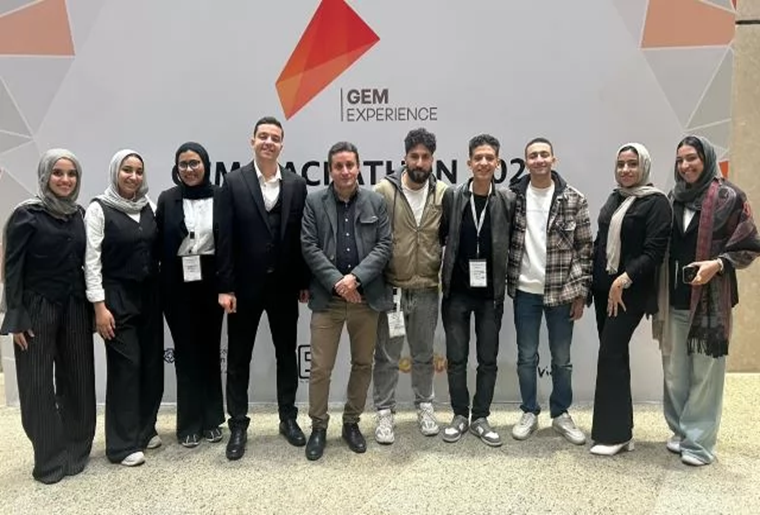
Two Egyptian-Russian University Teams Advance to Grand Egyptian Museum Hackathon Finals...
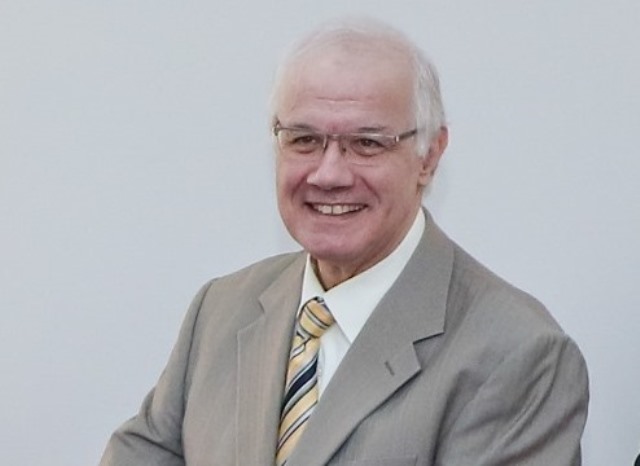
Dr. Sherif Fakhry Mohamed Abdel-Nabi, President of the Egyptian-Russian University, announced that two teams of students from the university’s Faculty of Artificial Intelligence have successfully advanced to the finals of the third edition of the “Grand Egyptian Museum Hackathon.” The competition was hold with the aim of developing innovative ideas and applications to enhance the visitor experience using modern technologies and innovative presentations.
The President of the Egyptian-Russian University noted that the two teams qualified for the finals after competing against 23 other teams and more than 100 participants from 20 universities: public, private, and national institutions. The participation came with the support of Dr. Mohamed Kamal El-Sayed Mostafa, Chairman of the University’s Board of Trustees, as part of the university’s commitment to stimulating students’ scientific potential, encouraging them in scientific research and innovation, and providing them with opportunities to contribute their ideas to serving the community. He praised the spirit of creativity and innovation demonstrated by the participating students in the “Egyptian Museum Hackathon.”
In the same context, Dr. Hesham Fathy, Dean of the Faculty of Artificial Intelligence at the Egyptian-Russian University, explained that the competition was held under the auspices and organization of the Academy of Scientific Research and Technology and the Grand Egyptian Museum, in partnership with RiseUp, the main sponsor of the hackathon. He noted that the winning student teams received a two-day training program, nine hours per day, with the participation of students from universities specializing in technology and arts, as well as experts and various institutions, to develop innovative digital solutions to enhance the visitor experience within the museum.
The Dean of the Faculty of Artificial Intelligence at the Egyptian-Russian University stated that this qualification came after a strong and highly competitive field of 103 teams from various Egyptian universities. The teams were then narrowed down to the top 23 nationwide, selected according to the highest standards of competence. The Egyptian-Russian University had a strong and distinguished presence, with two teams qualifying:
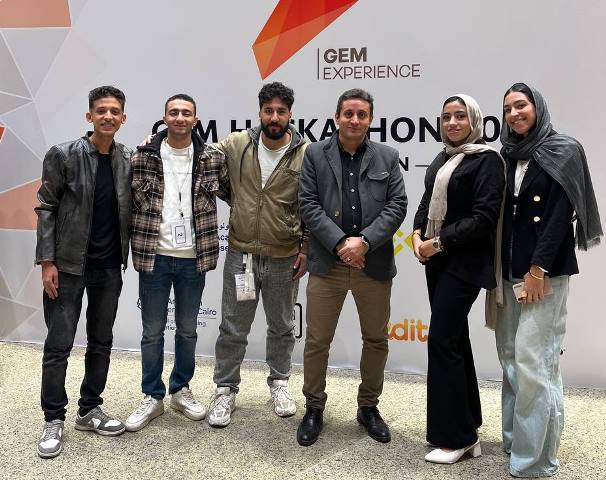
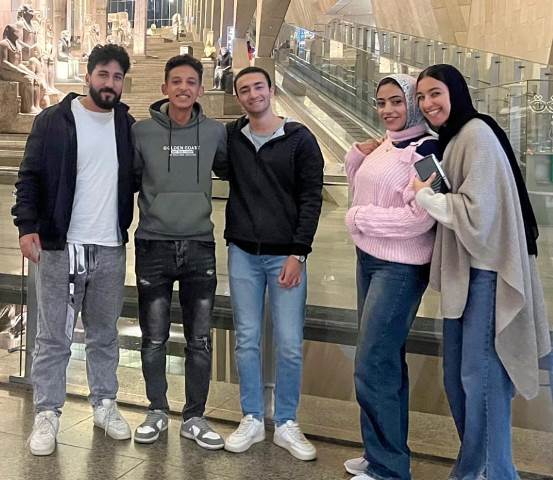
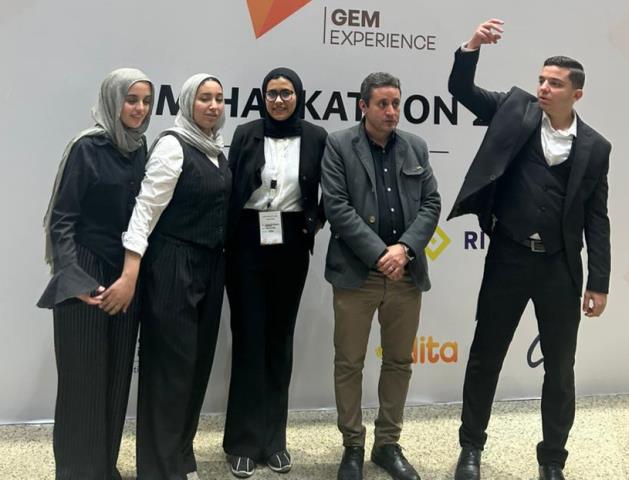
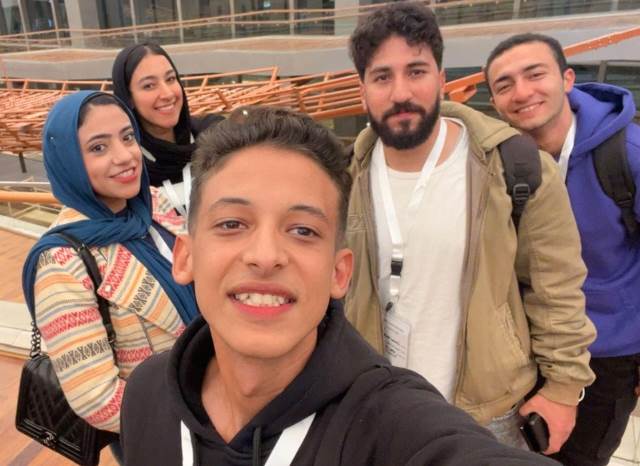
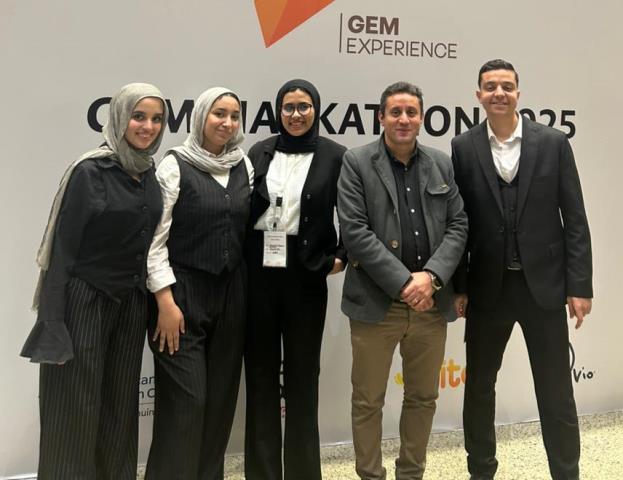
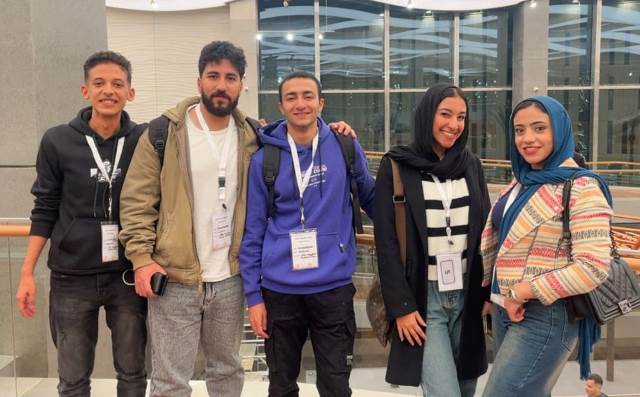
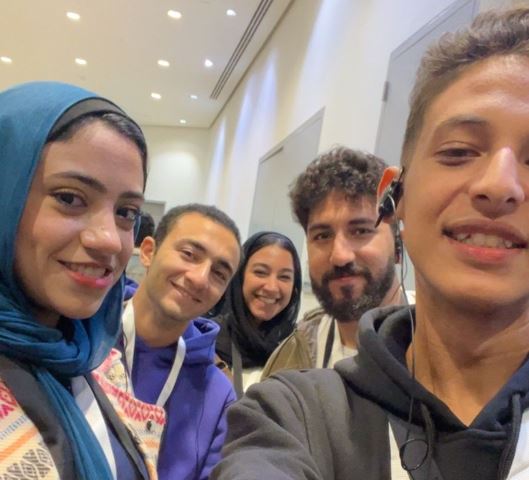
– The first team included students: Nada Ehab, Mawada Arafa, Hamed Mohamed, and Malak Essam.
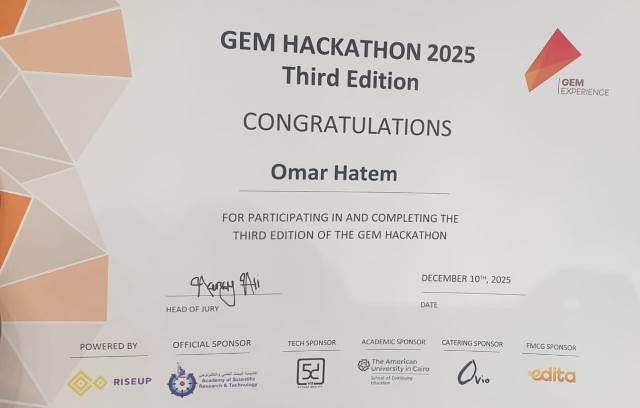
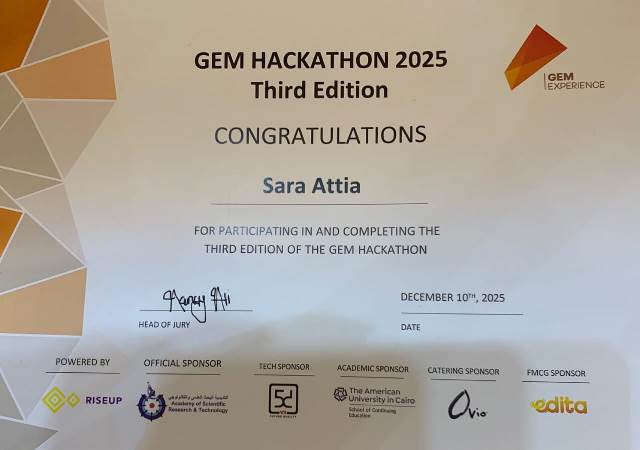
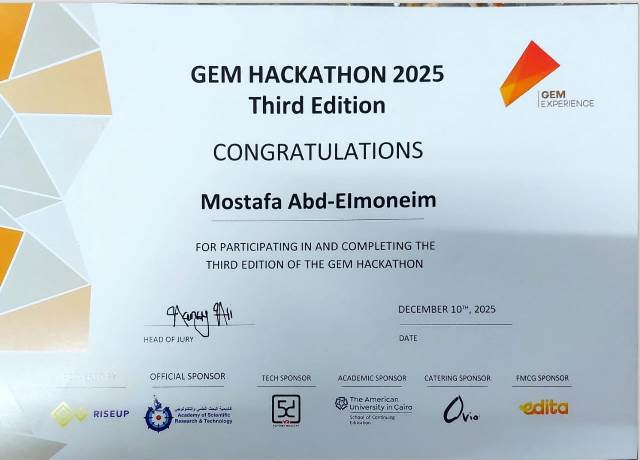
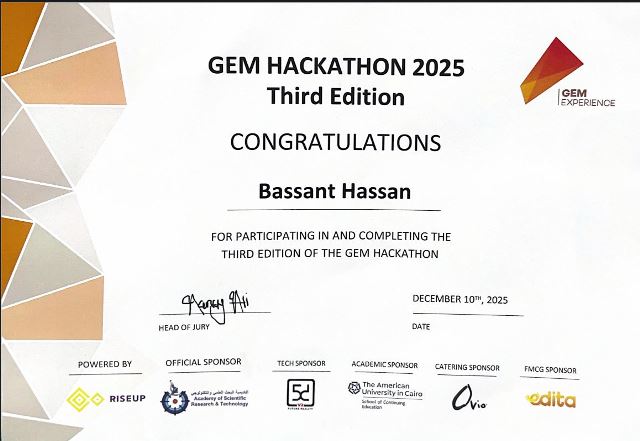
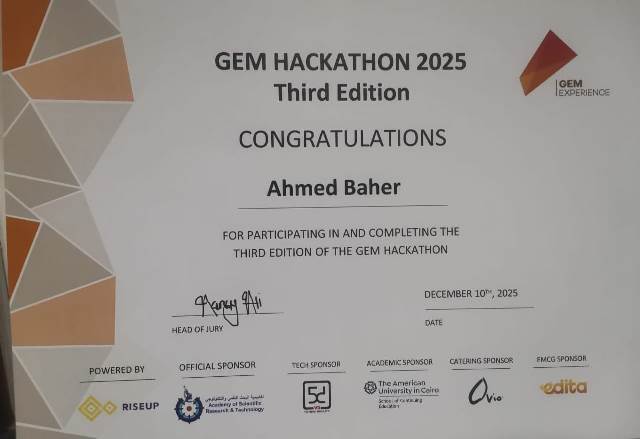
– The second team included students: Mostafa Abdel Moneim, Ahmed Baher, Omar Hatem, Sarah Attia, and Basant Hassan.
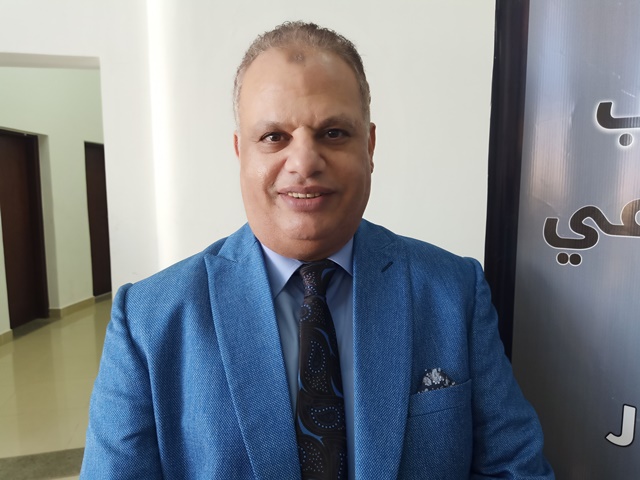
Dr. Said Hassan, Vice Dean of the Faculty of Artificial Intelligence at the Egyptian-Russian University, noted that this event is a unique platform that combines cultural heritage with modern technology, aiming to foster innovation and enhance interaction with our rich heritage. He explained that the participants took part in two days of intensive educational and training sessions before the final challenge, where they presented innovative ideas to address real-world challenges and provide a more engaging and interactive experience for visitors to the Grand Egyptian Museum.
The Vice Dean of the Faculty of Artificial Intelligence at the Egyptian-Russian University added that participation in these competitions comes within the framework of the university’s support for innovation and participation in major national events. He explained that the qualification of the two student teams coincided with the global event of the opening of the world’s greatest museum.
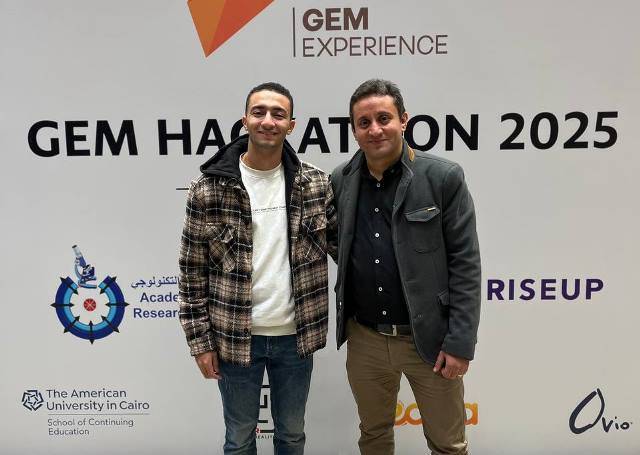
On the same context, Dr. Sameh Zarif, Head of the Artificial Intelligence Department at the Faculty of Artificial Intelligence at the Egyptian-Russian University and supervisor of the two teams, said that they competed for 30 continuous hours without sleep to develop and improve the museum visitor experience. They created an artificial intelligence method to collect and analyze the opinions of visitors to the Grand Egyptian Museum. He noted that all participating students are from the Faculty of Artificial Intelligence.
The head of the Artificial Intelligence Department at the Faculty of Artificial Intelligence at the Egyptian-Russian University and supervisor of the two teams affirmed that the college administration always seeks to support initiatives that combine science, innovation, and entrepreneurship, and participations that aim to develop society and employ modern technologies such as artificial intelligence, augmented reality, and virtual reality in serving society and improving the quality of life. He praised the students’ dedication, outstanding creative level, and pioneering ideas that they presented in the Egyptian Museum Hackathon