Under the Supervision of the Faculty of Applied Arts... Details of the Egyptian Russian University Students' Visit to a Glass Mold Factory (with Photos)
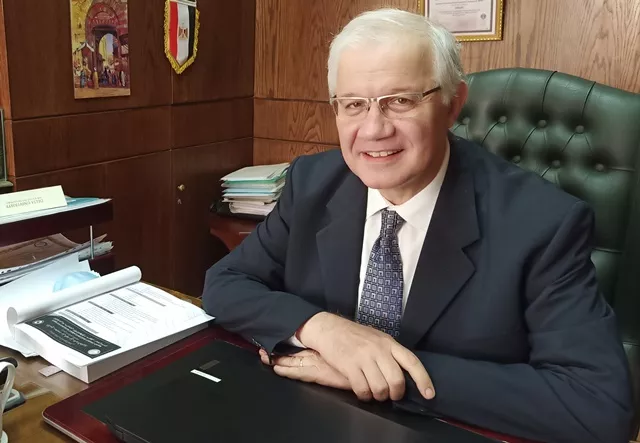
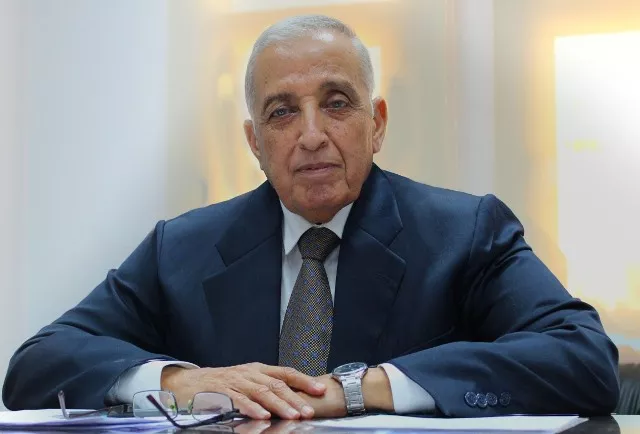
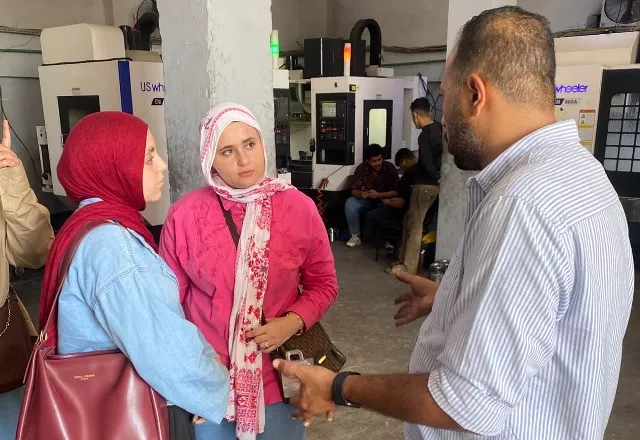
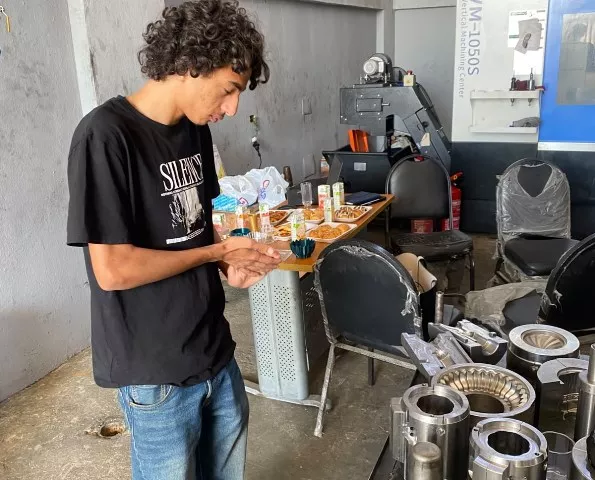
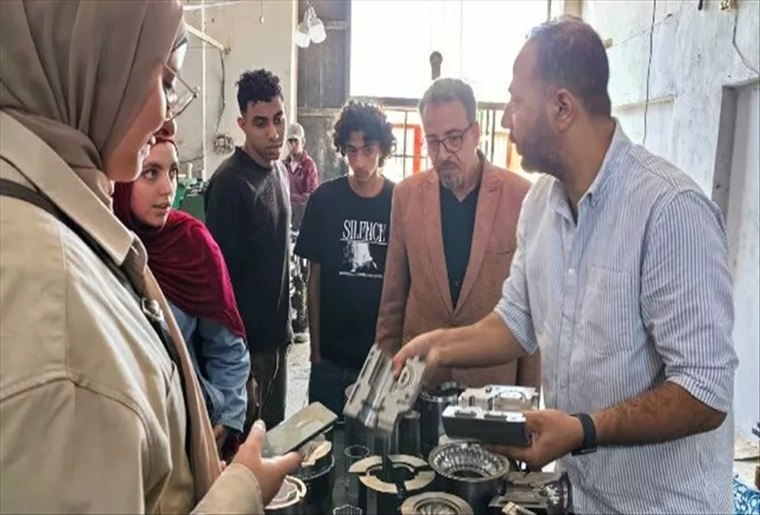
Dr. Sherif Fakhry Mohamed Abdel-Naby, President of the Egyptian Russian University (ERU), announced that ((It is within the framework of providing applied and comprehensive education that links academic curricula with direct field applications, and developing students’ innovative thinking in industrial product design) organized the university’s Faculty of Applied Arts organized a field trip for students from the Glass Department to the “Moldex” glass mold manufacturing plant, located in the Robiky area of 10th of Ramadan City. The visit was part of the practical activities for the “Model Technology” course. Dr. Abdel-Naby noted that such student visits align with the university’s strategy to bridge academic studies with industrial applications, foster integration between education and manufacturing, and equip students with the technical and scientific skills necessary to compete effectively in the future labor market. The initiative was supported by Dr. Mohamed Kamal Mostafa, Chairman of the University’s Board of Trustees.
Design and Manufacturing
In the same context, Dr. Ezz El-Din Abdel-Aziz, Dean of the Faculty of Applied Arts at the Egyptian Russian University, explained that the visit aimed to deepen students’ understanding of industrial molds, their role in shaping glass products, and the direct relationship between design decisions and actual manufacturing requirements. The visit was conducted under the supervision of Dr. Hossam Nazmy, Vice Dean of the Faculty, with the guidance of faculty members Dr. Sobhy Shaalan, Dr. Sarah Said, and Salma Yasser.
Technical and Technological Aspects
The Dean of the Faculty of Applied Arts at the Egyptian Russian University noted that, during the visit, students explored various technical and technological aspects, including:
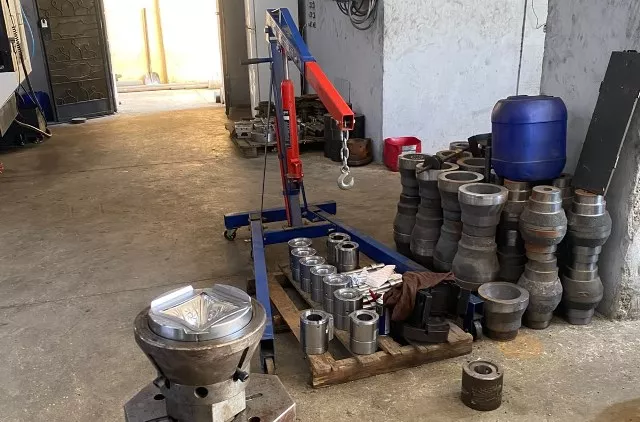
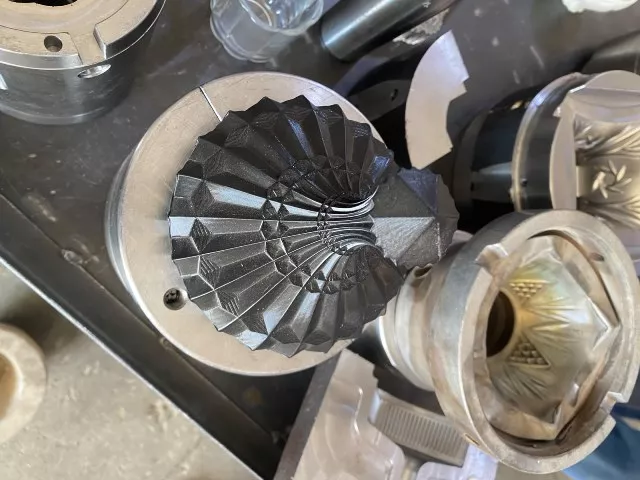
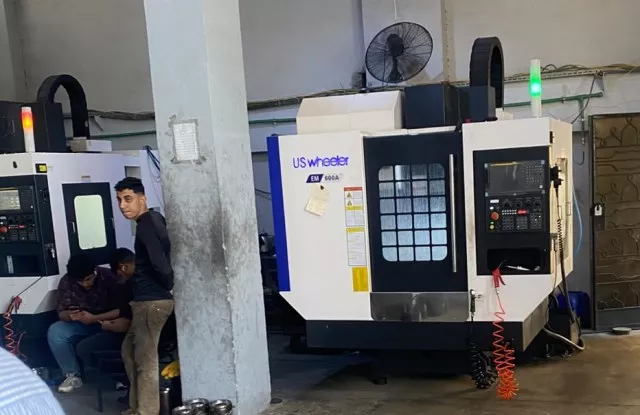
– The stages of designing and manufacturing industrial molds using Computer Numerical Control (CNC) machines.
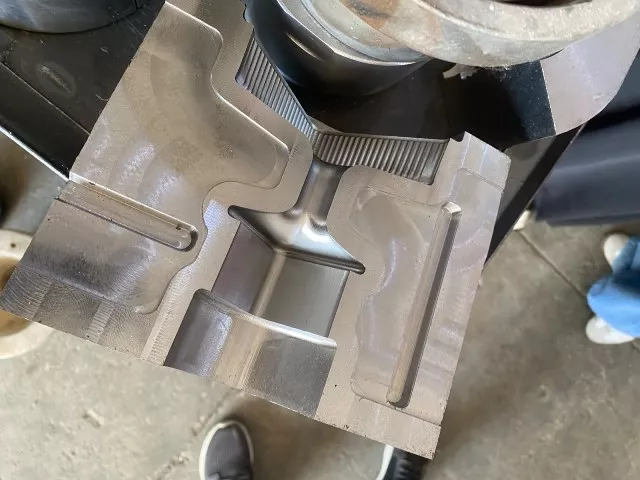
– Different types of molds—such as single-part, two-part, or three-part molds—along with the technical considerations specific to each type.
– The materials used in mold-making, and how they relate to production requirements and glass-forming methods.
– The influence of product geometry on mold design.
Industrial Environment
Dr. Ezz El-Din Abdel Aziz emphasized that the visit provided students with an opportunity to bridge the gap between the fundamental concepts learned in the classroom and their practical application in a real-world industrial environment. Students gained insight into how even minor design details can significantly impact the complexity of a mold and the technology required to manufacture it. The visit underscored the importance of considering manufacturing requirements from the very early stages of the design process, thereby fostering an awareness that the role of a designer extends to ensuring feasibility and production efficiency.
Student Preparation
The Dean of the Faculty of Applied Arts at the Egyptian Russian University stated that this visit aligns with the Faculty’s strategy to benefit from its proximity to industrial zones and clusters. By fostering direct engagement with nearby factories and production facilities—which serve as practical learning environments—the Faculty aims to prepare designers capable of integrating academic knowledge with the demands of the industry.
Supporting Sustainable Development Goals
The Dean of the Faculty explained that this field visit is part of the Egyptian Russian University and the Faculty of Applied Arts’ commitment to supporting the Sustainable Development Goals (SDGs). Specifically, it addresses Goal 4, “Quality Education,” by integrating practical experience with academic learning; Goal 8, “Decent Work and Economic Growth,” by preparing students for the demands of the labor market; Goal 9, “Industry, Innovation, and Infrastructure,” by bridging design with modern technology; and Goal 17, “Partnerships contracts” by fostering collaboration between the academic sector and national industrial institutions.
Technical Support for Students
Dr. Ezz El-Din Abdel Aziz expressed his gratitude to Engineer Mohamed Abdel-Hakim Darwish—a specialist in industrial mold design and owner of the company “Moldex”—along with his team, for their warm welcome and cooperation. He thanked them for providing students with the opportunity to explore the technical and practical aspects of mold design and manufacturing, thereby strengthening the connection between academic education and professional expertise within the industrial sector.