
ERU Students Achieve a Global Milestone in One of the Largest International Competitions
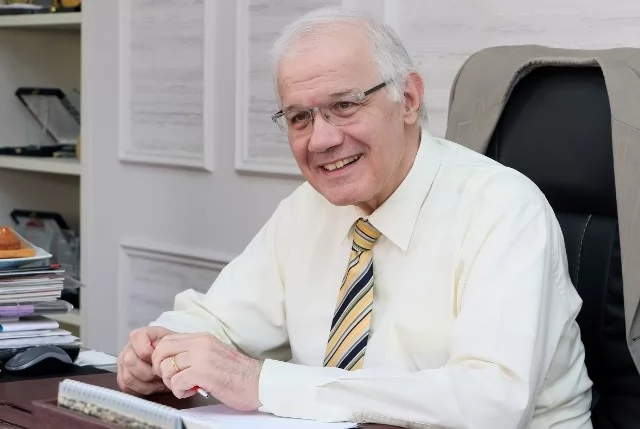
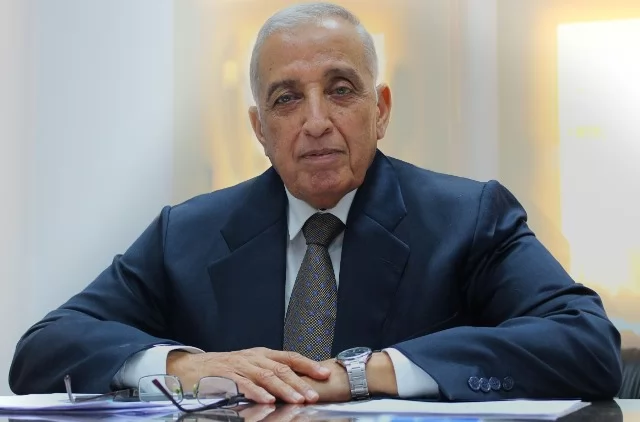
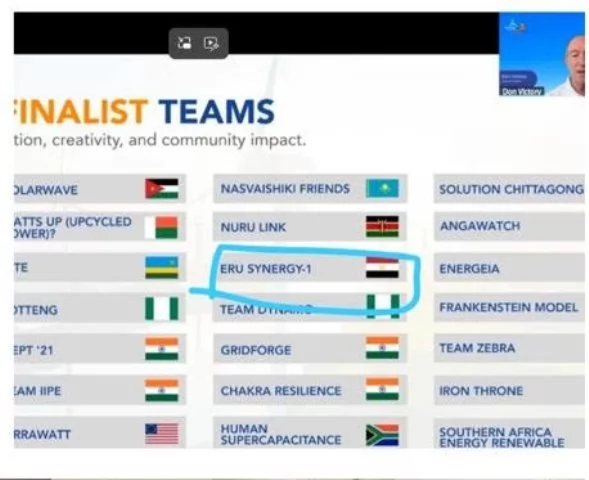
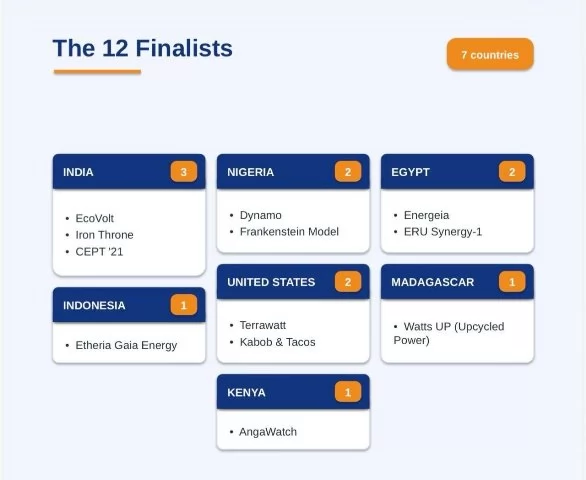
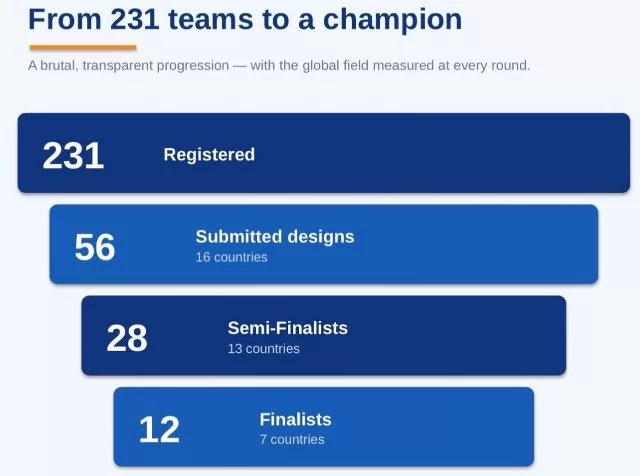
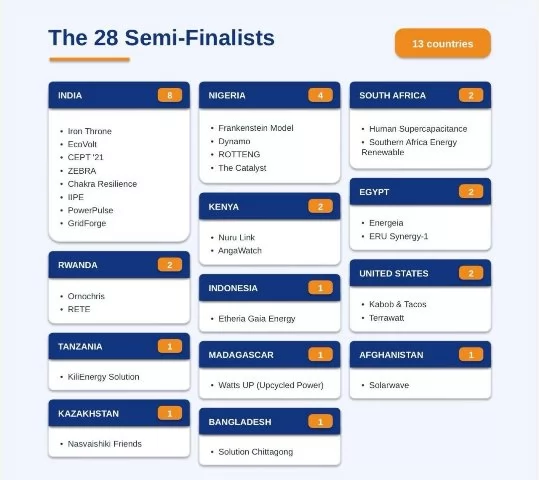
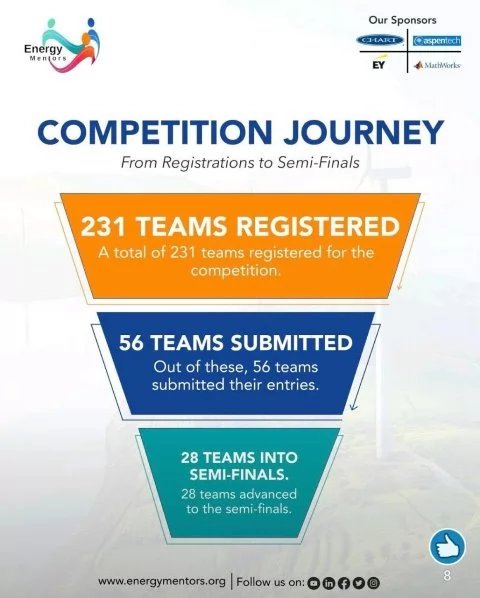
Dr. Sherif Fakhry Mohamed Abdel Nabi, President of the Egyptian Russian University (ERU), announced that the university’s student team, “ERU Synergy-1,” successfully reached the final stage and ranked among the top 12 teams out of 321 participating teams from universities around the world in the international “Power The Community” competition. This remarkable academic and practical achievement further strengthens the university’s position on the global stage.
He noted that the team participated in the competition with the support of Dr. Mohamed Kamal El-Sayed Mostafa, Chairman of the University’s Board of Trustees, as part of the university’s commitment to providing a learning environment that fosters creativity, encourages students to go beyond traditional education, and engage in practical experiences and international competitions that help develop their skills and professional identities.
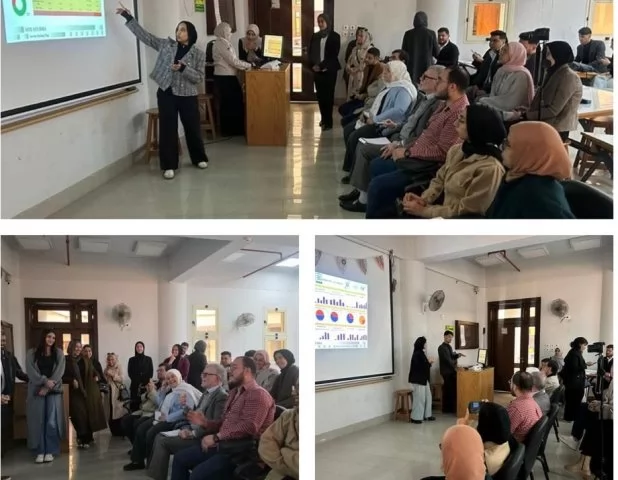
The university president added that the competition witnessed broad global participation, with 321 student teams from around the world. The ERU Synergy-1 team excelled throughout the qualifying stages and successfully advanced to the final round among a select group of finalists. This achievement reflects the excellence of the project’s core concept, the strength of the team’s performance, and the students’ outstanding ability to present and defend their ideas before international judging panels.
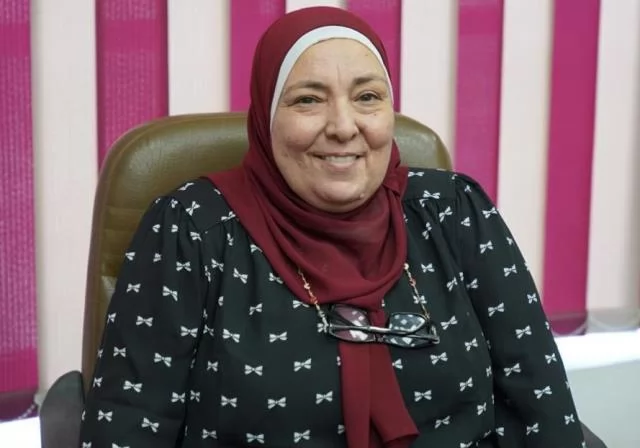
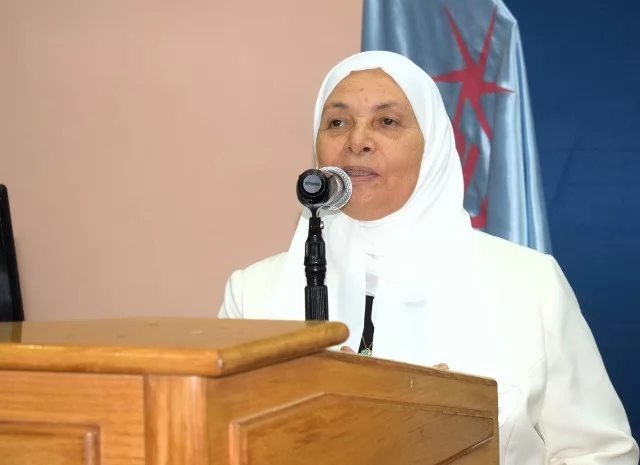
In the same context, Dr. Hanaa Abdel Rahman, Advisor to the University President for Student Activities, stated that this accomplishment is a source of pride for the entire university community, as it demonstrates the competence of ERU students and their ability to compete internationally. It also reflects their innovation, teamwork, and applied thinking skills in developing sustainable and impactful solutions in the fields of energy and community development.
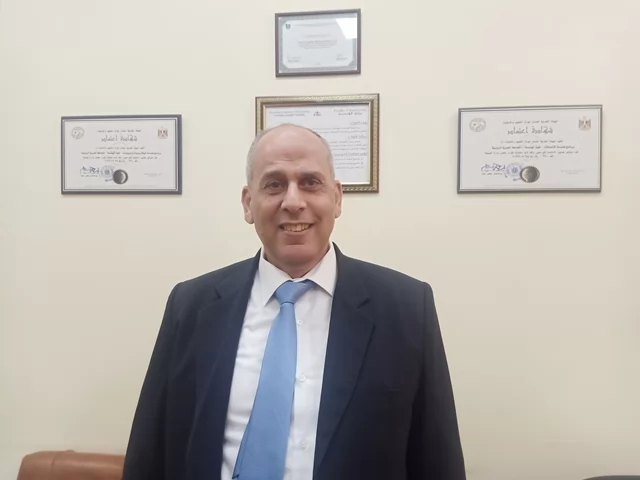
Meanwhile, Dr. Alaa Mohamed El-Batsh, Dean of the Faculty of Engineering, explained that the project was distinguished by its interdisciplinary nature, bringing together expertise from multiple scientific and applied disciplines. The project was supervised by faculty members from the Department of Architecture, including: Dr. Ahmed Helmy, Dr. Ahmed Zaki, Assistant Lecturer Sara Alaa, Assistant Lecturer Ahmed Khalil, Assistant Lecturer Aya Walid, Assistant Lecturer Nada Samir, Assistant Lecturer Aya Mohamed, Eng. Bassam El-Sayed, Eng. Toqa Salah, and Eng. Alaa Abdel Basset.
He added that the engineering supervision supported the project’s architectural and urban design aspects, guided students toward creating sustainable and community-oriented solutions, and enhanced the quality of the project’s visual and organizational presentation. In addition, faculty members from the Department of Mechatronics Engineering, including Dr. Mostafa Saleh and Dr. Wafaa Mostafa, provided academic and technical support, helping connect the innovative concept with practical engineering solutions and strengthening the project’s implementation potential.
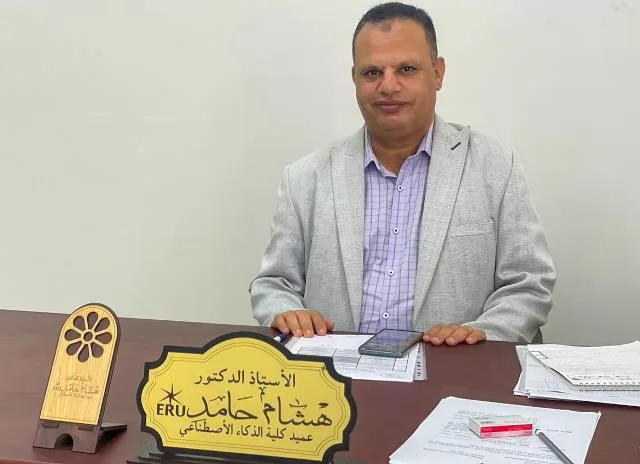
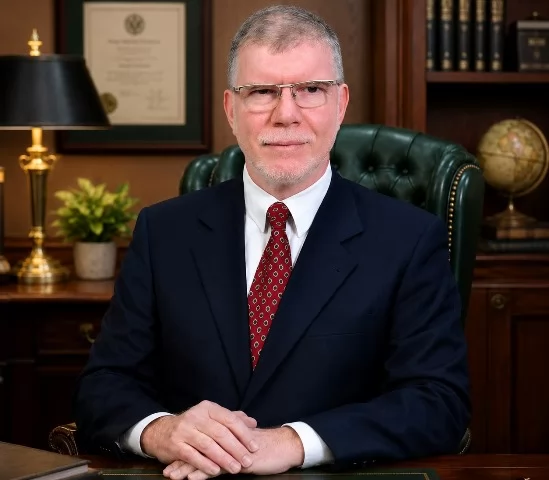
For his part, Dr. Hesham Fathy, Dean of the Faculty of Artificial Intelligence, explained that the project was managed through an integrated supervisory and coordination framework that helped channel students’ talents and ensure the highest quality outcomes. The supervisory team included Dr. Saeed Hassan Ibrahim, Vice Dean of the Faculty of Artificial Intelligence and General Supervisor of the university team in the competition, Dr. Waheed Sabry, an Electrical Energy Consultant, and Dr. Mostafa Gamal, supervisor from the Faculty of Artificial Intelligence. Their role focused on enhancing the project’s visual identity, presentation style, and professional appeal, thereby increasing its impact before the judging panels.
Dr. Fathy praised the university administration for fostering this collaborative effort, emphasizing that such cooperation was a key factor in helping the team produce a more mature and professional project. It also demonstrated the power of partnerships between academic institutions and executive bodies in supporting student creativity and achieving prestigious local and international accomplishments.
Regarding the nature of the project and its practical vision, Dr. Saeed Hassan Ibrahim, Vice Dean of the Faculty of Artificial Intelligence and General Supervisor of the university team, explained that the project represents a comprehensive applied model for the redevelopment of the Earthquake Housing District in Badr City. The proposal presents an integrated urban and energy strategy aimed at transforming the area into a sustainable, smart, safe, and replicable urban community.
He noted that the project’s philosophy is based on integrating several key components, including urban planning, architectural design, smart infrastructure development, and renewable energy systems. This scientific approach seeks to improve residents’ quality of life, reduce energy consumption, and promote environmentally and economically viable solutions.
The project focuses on reorganizing the urban fabric of the area to improve internal mobility and ensure easy access to essential services within walking distance, including education, healthcare, commercial services, green spaces, and recreational areas. It also aims to enhance the visual and architectural identity of the community and improve the efficiency of utility and service networks.
Furthermore, the project incorporates a range of clean energy solutions, including solar panels, smart lighting systems, energy storage technologies, and load management systems. These measures are intended to improve service continuity, increase energy efficiency, and strengthen the community’s ability to meet operational demands.
Dr. Saeed Hassan Ibrahim emphasized that the project is not merely an urban planning or architectural proposal; rather, it serves as a practical model for a sustainable urban community that takes into account social, economic, and environmental dimensions while promoting sustainability, resilience, and reliability. The project also reflects the ability of ERU students to apply academic knowledge to real-world urban and community challenges through a multidisciplinary approach that integrates people, urban development, energy, and sustainability.
He expressed his sincere appreciation to Eng. El-Sayed Ibrahim Amin, Head of the Badr City Development Authority, along with all engineers and staff members of the authority, for their fruitful cooperation and professional support. Their contributions played a significant role in refining the project concept, strengthening its practical and realistic dimensions, improving the quality of participation, and enhancing the team’s competitiveness in the international competition.
He also commended the university administration for creating a successful model of cooperation between the university and executive and professional entities in Badr City, helping align students’ ideas with community needs and sustainable urban development goals.
In the same context, Dr. Al-Tahera El-Sayed Hamia, Dean of the Faculty of Management, Economics, and Business Technology, explained that the faculty contributed to the project by supporting modern technologies, data analysis, and smart solutions while overseeing the project’s economic aspects. The faculty supervisors included Dr. Angie Raouf Abdel Fattah, Professor of Economics and Vice Dean for Education and Student Affairs, and Dr. Saad Samir from the Department of Economics.
Similarly, Dr. Ezz El-Din Abdel Aziz, Dean of the Faculty of Applied Arts, stated that this international achievement goes beyond earning a prestigious ranking. It truly reflects the creativity, teamwork, innovation, and resilience of ERU students, who demonstrated their ability to develop practical solutions that serve society and represent both Egypt and the university with distinction on the international stage. Faculty supervisors from the college included Dr. Hossam El-Din Nazmy, Dr. Sara Saeed, and Assistant Lecturer Rana Adel Mostafa.
Team Members of ERU Synergy-1
The ERU Synergy-1 team participating in the Power The Community international competition consisted of students from:
Faculty of Engineering – Architecture Department:
Abdullah Hassan Abdel Qader, Mahmoud Hassan Abdel Aziz, Mohannad Hassan Adam, Abdullah Monzer, Karen Edward Alphonse Zaghloul, Karim Ehab Abdel Rahman Ahmed, Maria Medhat Samuel Sfein, Shahd Ashraf Fadl Youssef, Shaimaa Ahmed Daloul, Shahd Samir El-Sayed El-Masawy, Mostafa Ehab Mostafa, Mirna Yasser Rabie Khater, Hoda Ali Abdel Latif El-Wakeel, Rawan Essam Fathy Gawish, Ali Mohamed El-Sayed Abdullah, Reem Ehab Mohamed Abdel Qader, Ahmed Abdel Ghani Mohamed, Hend Hassan Mahmoud El-Basyouni, Rawan Mostafa El-Helwany, Farah Nassim Abdel Hakam, Minas Mohamed El-Sayed Attia, Rahma Mahmoud Abdel Wahab, Nancy Hassan Mahmoud, Rawan Ahmed Ezzat Hafez, Yasmine Abbas Bayoumi, Malak Ismail Mahmoud Fath El-Bab, Abdel Rahman Mostafa Mohamed, and Alaa Ali Ismail Ali.
Faculty of Engineering – Mechatronics Department:
Moaz Mahmoud Taha, Adham Abdel Fattah Hamad, Omar Tarek Soliman, Manar Hamdy El-Saeedy, and Habiba Mohamed Moharram.
Faculty of Applied Arts:
Anwar Ahmed Taher, Habiba Nasr Rashid, Hazem Mohamed Hassan, Makarios Morcos Aziz, Alaa Sherif Ali, Polyana Samir Kamel, and Wali Li Ashraf Nagah.
Faculty of Artificial Intelligence:
Mohamed Emara, Mohamed El-Qassas, Habiba Mohamed, Noha Khaled, and Howaida Ashraf.
Faculty of Management, Economics, and Business Technology:
Rawan Mostafa Abdel Hamid Kotb, Ahmed Shehab El-Din Ahmed Nour El-Din, Mina Magdy Wissa, Nada Farid, and Dania Mohamed Mosallam.