Egyptian-Russian University Mechatronics and Robotics Students Present 7 Promising Graduation Projects... Photos
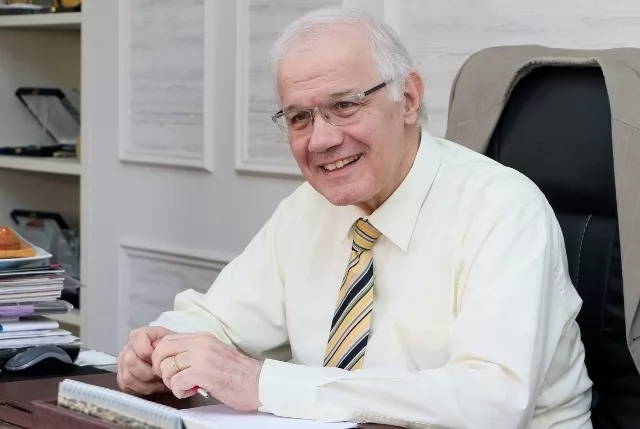
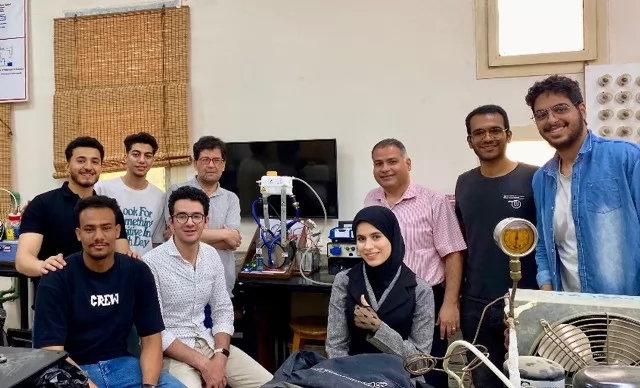
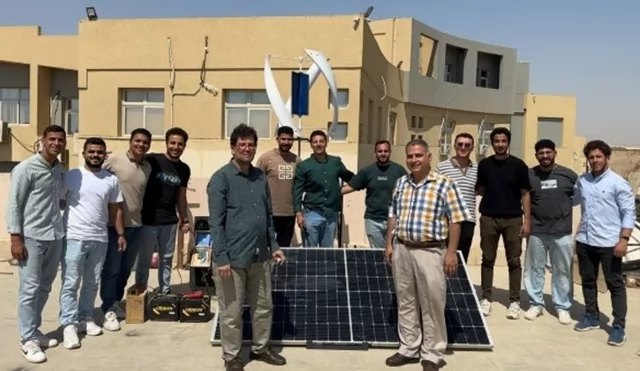
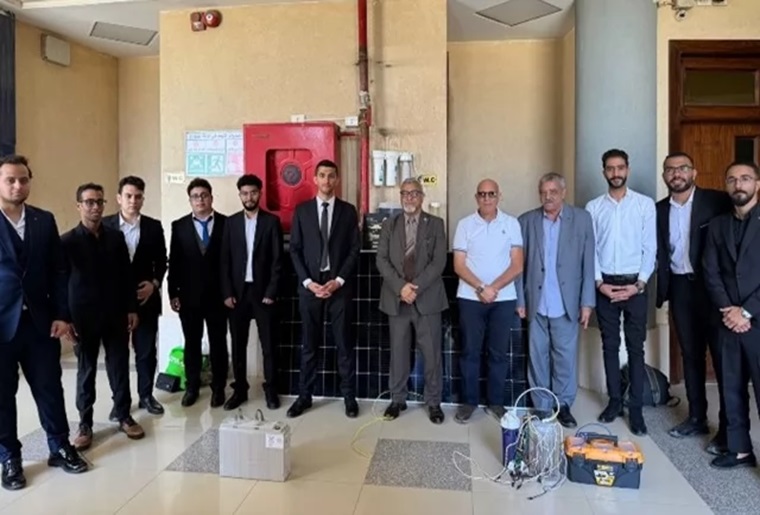
Dr. Sherif Fakhry Mohamed Abdel-Nabi, President of the Egyptian-Russian University, announced that students in the Mechatronics and Robotics Engineering program at the Faculty of Engineering presented seven outstanding graduation projects for the 2025-2026 academic year. These projects included applied, industrial, and service-oriented ideas in demand both locally and globally. Sixty-one students participated, and their projects were evaluated by judging panels comprised of leading specialists from within and outside the faculty.
The President of the Egyptian-Russian University explained that this year’s student graduation projects offered green and economical engineering solutions that serve the goals of sustainable development. He added that the projects reflected the significant development in the mindset of the new graduates and their ability to connect academic knowledge with the real needs of the local and regional market and industry. He noted that these projects were made possible with the support of Dr. Mohamed Kamal Mustafa, Chairman of the University’s Board of Trustees. In line with promoting the concept of entrepreneurship and innovation, and generating high-value finished products that support the national economy and the state’s development plans, and improve the quality of life for citizens.
On the same topic, Dr. Alaa Mohamed El-Batsh, Dean of the Faculty of Engineering at the Egyptian-Russian University, confirmed that student graduation projects were discussed by specialized scientific judging committees, comprising a select group of faculty members from the college and from some of the most prestigious Egyptian universities in the field of mechatronics engineering. He added that the projects of students in the Department of Mechatronics and Robotics Engineering were evaluated according to precise academic criteria, including: scientific originality, practical application, quality of proposed solutions, their relevance to real-world challenges, and society needs.
The Dean of the Faculty of Engineering at the Egyptian-Russian University added that the college prioritizes supporting innovation and scientific research, noting that these projects represent a strong impetus towards Egypt’s technological future, and that the university administration is keen to provide a stimulating environment and continuously encourage students to exert their utmost effort to realize their creative potential. This will positively impact Egyptian society and drive sustainable development.
Dr. Ibrahim Mosaad, Head of the Mechatronics and Robotics Department at the Faculty of Engineering, Egyptian-Russian University, stated that the innovations encompassed vital areas such as:
– Mobile Robots: An integrated applied model that combines mechanical design with electronic systems. The robot is distinguished by its exceptional maneuverability in confined spaces, utilizing Mecanum wheels and an ESP32 controller, along with the ability to be directly controlled wirelessly via a specially developed mobile application.
– Autonomous Forklifts (RoboLift): An integrated system for automating material handling in smart warehouses with minimal human intervention. The innovation relies on computer vision and ultrasonic sensors, employing artificial intelligence algorithms (such as YOLO) to recognize loading pallets and read QR codes, in addition to a linear actuator for stable load lifting.
– Automated Coal-Fired Furnace: A national project aimed at adding value to Egyptian silica sand (which has a purity exceeding 99%) instead of exporting it as a raw material at low prices. The project utilizes graphite to withstand high temperatures and studies thermal control and equilibrium mechanisms to reduce smelting costs by using biofuels such as coal.
– Smart Fruit Sorting System: An automated system for sorting and classifying mangoes according to size, color, and quality. The system uses a Raspberry Pi 4 and an image processing camera with Python and OpenCV to provide control signals to a stepper motor that precisely guides the fruit to collection bins, thus increasing export efficiency and reducing waste.
The Head of the Mechatronics and Robotics Department at the Egyptian-Russian University’s Faculty of Engineering pointed out that these projects represent a practical and direct application of the United Nations Sustainable Development Goals (SDGs). They aligned with SDG 8: Decent Work and Economic Growth, and SDG 9: Industry, Innovation, and Infrastructure. These two goals are the core focus of all the submitted projects. Furthermore, all the projects intersected with SDG 4: Quality Education, linking education to the labor market. The involvement of 61 students in applied projects employing modern technologies such as artificial intelligence, computer vision, and advanced controllers is a true application of high-quality engineering education that keeps pace with the Fourth Industrial Revolution.
The Head of the Mechatronics and Robotics Department at the Egyptian-Russian University’s Faculty of Engineering emphasized that the university opened its workshops and laboratories to enable students to fully implement their innovations within the university. He praised the advanced level demonstrated by the students in the design and manufacturing phases.
In the same context, the discussion committees praised the outstanding scientific level of the projects, and the innovative ideas and practical applications they contained, reflecting the students’ ability to employ modern technology in addressing the challenges of contemporary life. The discussion committees also commended the students’ skills in presentation, discussion, and defending their ideas in a distinguished professional manner.